
Highlights
- Having the right tools improves efficiency, safety, and the quality of renovation projects.
- A balanced toolkit should include essential hand tools, versatile power tools, and specialized measuring equipment.
- Safety gear is just as important as construction tools and should always be used.
- Renting advanced tools can be more cost-effective than buying, depending on the frequency of use.
- Proper tool storage and maintenance extend tool life and save money in the long run.

Renovating a home can be an exciting but challenging process. Whether you’re tackling a simple weekend DIY project or managing a full-scale remodel, the tools you use play a massive role in the outcome. Having the right equipment not only makes jobs easier but also ensures safety and professional-quality results.
This guide covers the essential construction tools every home renovator should know about, from simple hand tools to advanced power equipment. We’ll explore their uses, benefits, safety considerations, and even when it makes more sense to rent instead of buy. By the end, you’ll have a clear picture of what tools belong in your renovation toolkit and how to use them effectively.
Why Having the Right Tools Matters
Before diving into the list of must-have tools, it’s important to understand why tool selection matters so much in home renovation.
Saves Time & Effort
- The correct tool speeds up tasks significantly. For example, a power drill can drive screws in seconds, compared to minutes with a manual screwdriver.
- Precision tools prevent wasted time redoing mistakes caused by poor cuts or measurements.
Improves Safety
- Using tools designed for a specific task reduces the risk of injury.
- For instance, attempting to cut tile with the wrong saw can lead to flying shards and accidents.
Enhances Quality
- The finish of your project often reflects the quality of your tools.
- A smooth, sanded surface before painting or a perfectly aligned cabinet installation often depends on having reliable, well-designed tools.
Essential Hand Tools for Home Renovators
Hand tools form the backbone of any renovation toolkit. Even in an age of power tools, manual equipment remains indispensable for precision work, small adjustments, and projects where electricity isn’t practical.
Must-Have Hand Tools
- Hammer
- Used for framing, demolition, and finishing work.
- Claw hammers are ideal for general use, while rubber mallets help with delicate materials like tile or laminate.
- Screwdrivers & Nut Drivers
- Flathead and Phillips screwdrivers are essential.
- A multi-bit screwdriver or ratcheting model can save space and effort.
- Wrenches & Pliers
- Adjustable wrenches handle different nut and bolt sizes.
- Locking pliers (Vise-Grips) provide a strong grip when tightening or loosening.
- Pipe wrenches are indispensable for plumbing projects.
- Utility Knife
- Perfect for cutting drywall, flooring, insulation, or packaging.
- Replace blades often to maintain clean, precise cuts.
- Measuring Tape & Level
- Ensure accuracy in cuts, alignments, and installations.
- A good 25-foot measuring tape and a reliable bubble or digital level are musts.
- Chisels & Pry Bars
- Wood chisels allow for detail work in carpentry.
- Pry bars are ideal for safe demolition and material removal without damaging surrounding structures.
Tips for Building a Hand Tool Kit
- Invest in quality over quantity—cheap tools often break and may cause mistakes.
- Buy a sturdy toolbox or belt to keep tools organized and accessible.
Power Tools That Save Time & Effort

Power tools revolutionize renovation projects by making tasks faster, easier, and more precise. If you’re serious about home improvement, these belong in your arsenal.
Core Power Tools
- Drill/Impact Driver
- Used for drilling holes and driving screws.
- Cordless models offer portability, while corded ones provide continuous power.
- Circular Saw & Jigsaw
- Circular saws excel at long, straight cuts in wood, plywood, and MDF.
- Jigsaws are better for curves and detailed shapes.
- Reciprocating Saw
- Known as the “sawzall,” it’s excellent for demolition.
- Cuts through wood, nails, drywall, and even pipes.
- Power Sander
- Prepares surfaces for painting or refinishing.
- Random orbital sanders prevent swirl marks and give smooth finishes.
- Nail Gun
- Speeds up framing, flooring, and trim installation.
- Reduces hand fatigue compared to hammering nails manually.
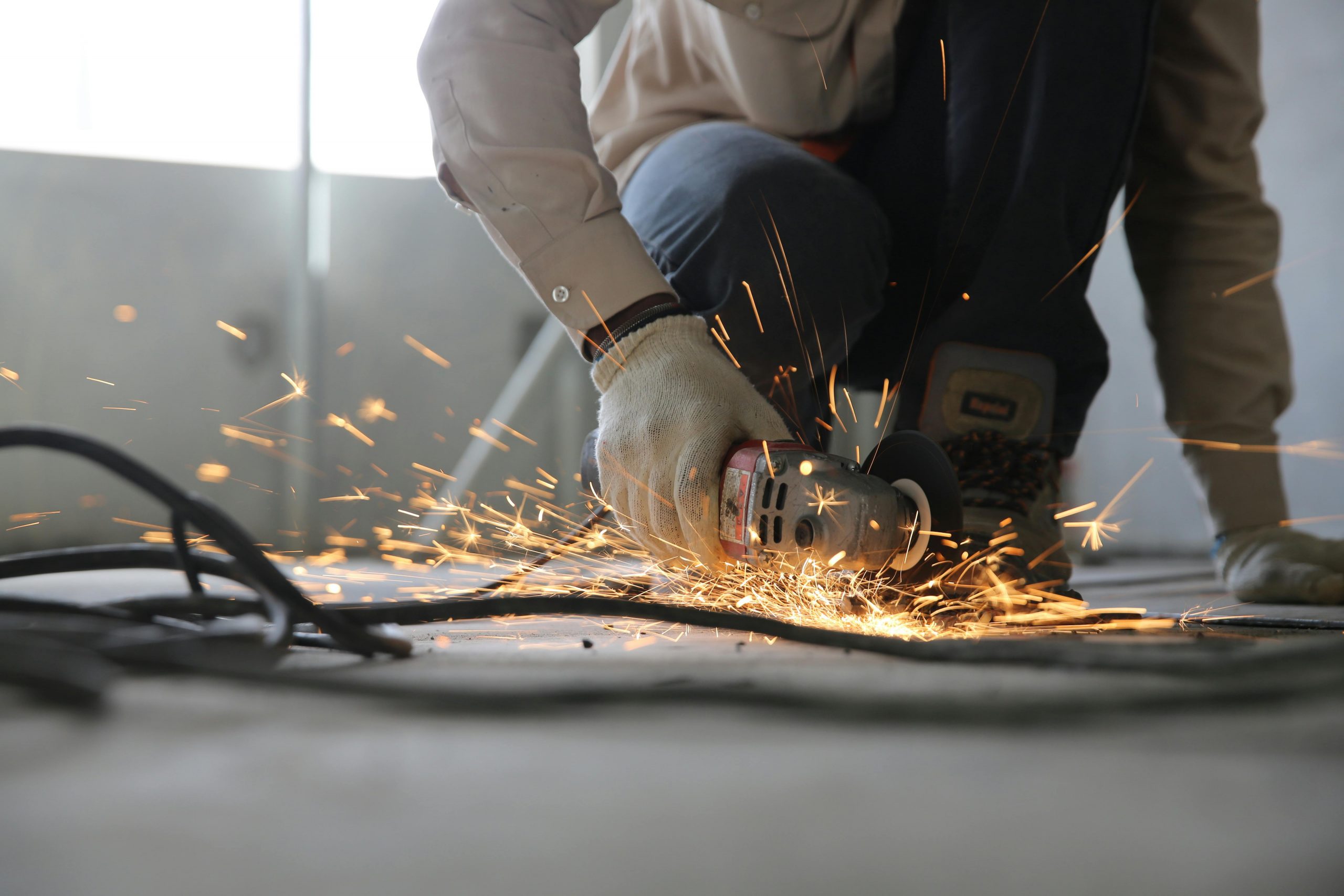
- Angle Grinder
- Cuts metal, tile, and masonry.
- Can also smooth surfaces and remove rust or paint.
Safety Tips for Power Tools
- Always wear protective eyewear and gloves.
- Read the manual before using new equipment.
- Keep cords and batteries in good condition to prevent accidents.
Advanced Tools for Larger Renovations
For more complex or large-scale projects, advanced tools help achieve precision and professional-grade results.
Recommended Advanced Tools
- Table Saw
- Great for ripping large sheets of wood or plywood with accuracy.
- Miter Saw
- Cuts angles precisely—perfect for crown molding, trim, and framing.
- Rotary Tool (Dremel)
- Handles detail work like carving, engraving, sanding, and polishing.
- Air Compressor
- Powers nail guns, paint sprayers, and even cleaning tools.
Buy or Rent?
- Tools like table saws and air compressors can be expensive and may not be used often.
- Renting is a smart option for occasional use, similar to hiring a crane company that offers both short- and long-term rentals when you need heavy machinery temporarily.
Measuring & Layout Tools
Accurate measurements make or break renovation projects. Even a small error can throw off an entire installation.
Essential Measuring Tools
- Laser Level
- Projects perfectly straight lines for hanging cabinets, laying tiles, or aligning ceilings.
- Stud Finder
- Detects wooden studs behind drywall, crucial for mounting heavy fixtures.
- Chalk Line
- Creates long, straight guidelines for flooring, roofing, or framing.
- Digital Measuring Tools
- Provide quick, precise measurements—especially helpful in large spaces.
Why Accuracy Matters
- Prevents wasted materials from bad cuts.
- Ensures a professional finish in everything from flooring to cabinetry.
Safety Gear Every Renovator Should Own
Tools help you build, but safety gear keeps you safe while building. Too often, DIY renovators overlook this category until something goes wrong.
Essential Safety Equipment
- Protective Eyewear & Gloves
- Shields eyes from debris and hands from cuts or burns.
- Dust Masks/Respirators
- Essential when sanding, painting, or demolishing materials containing dust and chemicals.
- Ear Protection
- Power tools like saws and nail guns generate noise levels that can damage hearing.
- Hard Hat & Steel-Toe Boots
- Necessary for heavy demolition or construction tasks.
Treat Safety Gear as Tools
- Think of safety gear as just as essential as drills or saws.
- A minor investment in protective equipment can prevent serious injuries.
Tool Storage & Maintenance
Even the best tools won’t last long without proper care.
Storage Tips
- Use toolboxes, tool chests, or pegboards for easy organization.
- Tool belts keep frequently used tools within reach.
Maintenance Tips
- Clean tools after each use—wipe down, oil moving parts, and keep blades sharp.
- Store power tools in dry, cool places to protect batteries and motors.
- Replace worn-out parts promptly to keep tools functioning safely.
Renting vs. Buying Tools
Not every tool needs to be purchased. Some are better rented, especially if they’re expensive or rarely used.
When to Buy
- Buy hand tools and frequently used power tools (drills, circular saws, sanders).
- Consider quality investments for tools you’ll use often.
When to Rent
- Rent advanced tools like miter saws, air compressors, or jackhammers if used occasionally.
- Rental services often maintain and sharpen tools, ensuring they’re in top condition.
Cost Comparison Example
- Buying a high-end miter saw could cost $600–$800.
- Renting one for a weekend project may cost $40–$60, saving hundreds if you don’t need it again soon.
Conclusion
Every successful home renovation starts with the right tools. From the basics like hammers and screwdrivers to advanced power tools and precision measuring devices, having the proper equipment ensures efficiency, safety, and professional results.
Don’t overlook safety gear and proper tool maintenance, as these play a crucial role in both the quality of your projects and your personal well-being. Finally, remember that renting can be a cost-effective option for specialized tools you don’t use often.
By gradually building your toolkit and investing wisely, you’ll make every renovation smoother, safer, and more rewarding. Whether you’re fixing a leaky pipe, installing new cabinets, or tackling a major remodel, the right tools will always be your most valuable partners.