Every home, no matter how new or well-built, will eventually experience maintenance issues. The difference between a well-maintained home and a problem-prone one usually comes down to timing, awareness, and prevention. Many costly repairs start as small, easily overlooked issues—like a minor leak, a slow drain, or an inefficient heating system.
The goal of this guide is to help homeowners recognize early warning signs of common household problems and take practical steps to prevent them from escalating. By understanding how different parts of your home function and what typically goes wrong, you can extend the lifespan of major systems, reduce unexpected expenses, and maintain a safer, more comfortable living environment.
Building a Strong Structural and Design Foundation
A home’s long-term performance often depends on decisions made long before problems appear. Thoughtful planning during construction or renovation helps prevent recurring issues that can affect everything from energy efficiency to structural integrity. When a home is designed with durability in mind, it naturally resists many of the common problems that homeowners later struggle to fix, such as moisture intrusion, uneven settling, and inefficient energy use.
Working with a modern home builder can significantly reduce future maintenance headaches because they incorporate updated building standards, energy-efficient materials, and improved construction techniques. These professionals also tend to think ahead about how a home will age over time, not just how it performs on move-in day. That means anticipating seasonal expansion and contraction of materials, ensuring proper drainage pathways, and designing systems that are easier to access for future maintenance or upgrades.
Key preventative considerations include:
- Proper site grading to prevent water pooling near the foundation
- High-quality insulation to reduce energy loss and moisture buildup
- Strategic layout planning for plumbing and electrical access
- Durable materials selected for climate conditions
- Adequate ventilation design in attics and crawl spaces
Each of these factors plays a direct role in preventing long-term structural stress. For example, poor grading can slowly lead to foundation erosion, while inadequate ventilation can trap humidity that eventually causes wood rot or mold growth. Even small oversights during construction can compound into expensive repairs years later.
Preventative benefits of strong initial construction:
- Reduced risk of foundational cracks and shifting
- Better indoor temperature regulation year-round
- Fewer moisture-related issues such as mold or mildew
- Improved energy efficiency and lower utility costs
- Longer lifespan for roofing, insulation, and mechanical systems
- Less strain on heating and cooling equipment due to stable indoor conditions
Homeowners in older properties can still benefit by evaluating structural weaknesses and upgrading problem areas over time. Prevention begins with understanding how design influences long-term durability, and even incremental improvements—like improving drainage or upgrading insulation—can significantly extend a home’s lifespan and performance.
Preventing Roof Damage from Weather and Aging
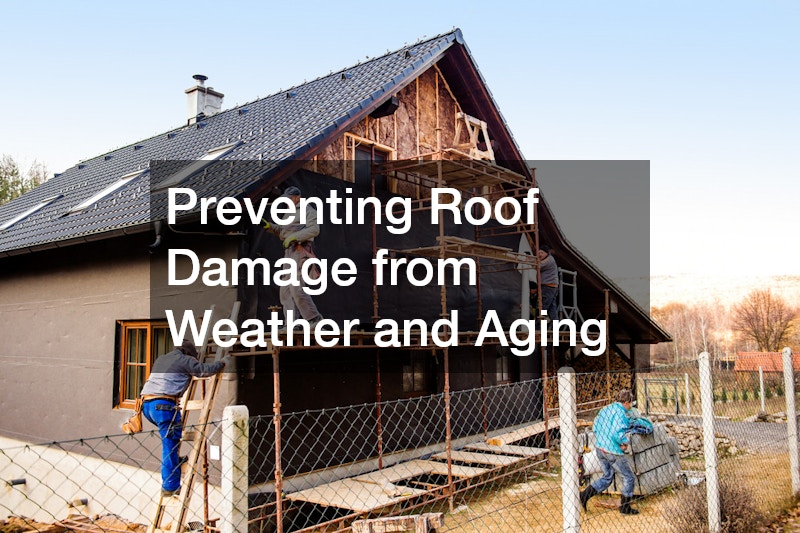
Your roof is one of the most exposed parts of your home, constantly facing sun, wind, rain, snow, and seasonal temperature shifts. Over time, this constant exposure causes materials to expand, contract, and gradually weaken. Without regular care, small vulnerabilities—like a lifted shingle or a slightly degraded seal—can quickly turn into major leaks, insulation damage, or even structural issues that affect ceilings and walls inside the home.
Scheduling routine roofing services helps identify early warning signs such as cracked shingles, loose flashing, deteriorating sealants, or clogged gutters before they escalate. These inspections are especially important after extreme weather events, since storm damage is not always immediately visible from the ground. Professionals can also assess less obvious issues like subtle sagging areas or hidden moisture intrusion beneath roofing layers.
Working with an experienced roofing contractor ensures that inspections and repairs are done correctly, reducing the chance of recurring issues. Proper installation techniques, material matching, and sealing methods all play a role in preventing repeat problems that often occur after quick or improper fixes.
Preventative roof maintenance tips:
- Inspect shingles twice a year for curling or missing sections
- Clear debris from gutters and downspouts regularly
- Check attic spaces for signs of moisture or light penetration
- Trim overhanging tree branches that may cause damage
- Schedule professional inspections after severe storms
Additional preventative steps include applying protective coatings where appropriate, ensuring proper attic ventilation to reduce heat buildup, and replacing worn flashing before it fails completely. Many homeowners overlook how attic temperature extremes can accelerate roof aging, especially in summer when trapped heat can warp materials from underneath.
Common signs of roof deterioration:
- Water stains on ceilings or walls
- Granules collecting in gutters
- Sagging or uneven roof lines
- Increased energy bills due to poor insulation
- Musty odors in upper floors or attic spaces
Consistent care reduces the likelihood of sudden roof failure and helps extend the life of your home’s protective covering. A well-maintained roof not only prevents costly interior damage but also improves overall energy efficiency and long-term property value.
Addressing Small Roof Issues Before They Escalate
Even minor roofing problems can grow into expensive structural damage if left untreated. A small leak, for example, may seem harmless at first, but over time it can spread moisture into insulation, wood framing, ceiling joists, and interior drywall. Once water infiltrates these layers, it becomes much harder to trace the source and significantly more expensive to repair.
Timely roof repair is essential for preventing long-term deterioration and maintaining the integrity of your home. What often begins as a single compromised shingle or a small flashing gap can quickly evolve into widespread water intrusion, especially during heavy rain or snow melt. The longer moisture remains trapped, the greater the risk of rot, mold growth, and weakened structural supports.
Preventative steps include:
- Fixing missing or damaged shingles immediately
- Sealing small cracks or gaps around vents and chimneys
- Monitoring attic humidity levels
- Ensuring proper drainage from the roof surface
- Checking for signs of pest intrusion in roof spaces
- Inspecting skylights and roof penetrations for early wear
In addition to these measures, homeowners should also pay attention to subtle changes such as peeling paint near ceilings, faint water streaks, or unexplained musty odors in upper rooms. These are often early indicators that water has already breached the roof barrier.
Why early intervention matters:
- Prevents mold growth in hidden areas
- Reduces risk of structural weakening
- Minimizes interior water damage and repair costs
- Preserves insulation effectiveness
- Helps avoid emergency repairs during storms
- Extends overall roof lifespan and performance
Many homeowners delay repairs because the damage appears small or cosmetic, but roof issues rarely stay contained. Weather conditions, temperature fluctuations, and gravity all work together to worsen even minor defects. A small opening can widen over time, allowing more water and debris to enter the home with each storm.
Addressing problems early is one of the most cost-effective forms of home maintenance. It not only protects the roof itself but also safeguards everything beneath it, from insulation and wiring to drywall and flooring.
Maintaining Efficient Heating and Cooling Systems
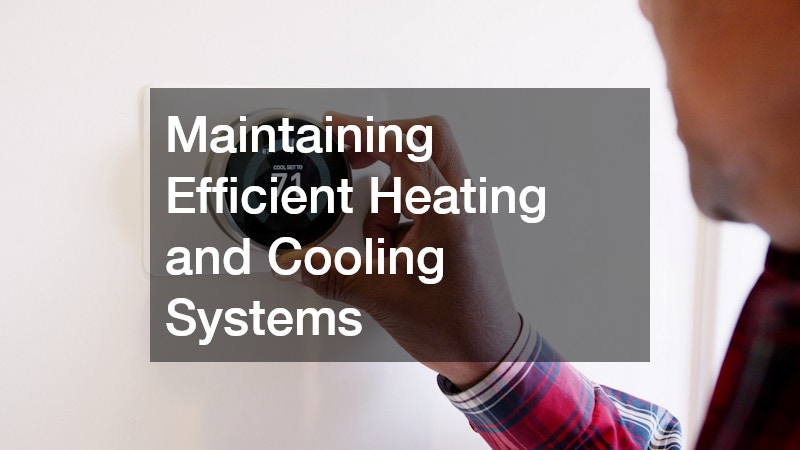
Heating and cooling systems play a major role in comfort, air quality, and energy efficiency, but they often degrade gradually without obvious warning signs. Because performance tends to decline slowly, homeowners may not notice issues until the system is already struggling to keep up. Poor maintenance can lead to uneven temperatures, increased energy consumption, reduced airflow, and eventually full system failure during peak seasonal demand.
When systems become outdated or inefficient, hvac replacement may be more cost-effective than continuous repairs. Older units often require frequent servicing, use more electricity, and still fail to deliver consistent comfort. In many cases, upgrading to a modern system provides better efficiency ratings, improved humidity control, and more precise temperature regulation throughout the home.
Preventative HVAC maintenance includes:
- Replacing air filters every 1–3 months
- Cleaning vents and duct openings regularly
- Scheduling seasonal system inspections
- Monitoring unusual noises or odors
- Checking thermostat accuracy and calibration
- Ensuring outdoor condenser units remain free of debris
In addition to these basics, homeowners should also pay attention to airflow consistency between rooms. Blocked ducts or failing components often show up as hot and cold spots throughout the house. It’s also important to keep furniture or curtains from obstructing vents, as restricted airflow forces the system to work harder and shortens its lifespan.
Signs your system may be failing:
- Frequent temperature inconsistencies throughout the home
- Rising utility costs without increased usage
- Excess humidity or dryness indoors
- Constant cycling on and off
- Weak or reduced airflow from vents
- Strange rattling, grinding, or buzzing sounds during operation
Another overlooked issue is dust buildup inside ductwork, which can reduce air quality and force the system to circulate allergens throughout the home. Regular maintenance helps prevent this buildup and keeps the system running more efficiently.
Preventative habits not only extend system lifespan but also improve indoor air quality and reduce strain on components. A well-maintained HVAC system also helps stabilize humidity levels, which protects wood furniture, flooring, and even structural elements of the home. Over time, consistent care results in fewer breakdowns, lower repair costs, and a more comfortable indoor environment year-round.
Preventing Deep Carpet Wear and Indoor Odors
Carpets absorb daily wear, spills, dust, and allergens, making them one of the most maintenance-intensive surfaces in a home. Without regular care, they can become a source of odor, staining, and even indoor air quality issues.
Routine carpet cleaning helps preserve appearance and hygiene while extending the life of flooring materials.
Preventative care strategies:
- Vacuum high-traffic areas several times per week
- Address spills immediately to prevent staining
- Use entry mats to reduce dirt tracking
- Rotate furniture to avoid uneven wear patterns
- Deep clean carpets seasonally
Additional considerations:
- Pet owners should increase cleaning frequency
- Humid environments may require moisture control
- Regular sanitizing helps reduce allergens and bacteria
Keeping carpets clean improves overall home freshness and reduces long-term replacement costs.
Preventing Wildlife and Pest Intrusions
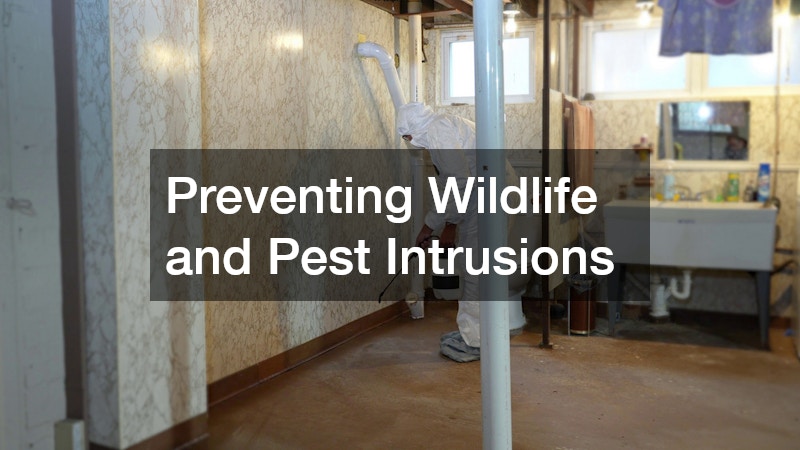
Wildlife and pests can cause serious structural and health issues if they enter a home unnoticed. They often exploit small gaps in roofing, siding, or foundations.
Professional wildlife removal services help safely eliminate infestations and prevent animals from returning.
Preventative measures include:
- Sealing cracks and openings around the exterior
- Installing chimney caps and vent covers
- Keeping attic spaces properly insulated and closed
- Storing food in sealed containers
- Maintaining clean outdoor areas free of debris
Warning signs of intrusion:
- Scratching or movement sounds in walls or ceilings
- Droppings in attic or basement areas
- Damaged insulation or wiring
- Unusual odors from hidden spaces
Early detection is key to preventing structural damage and contamination.
Reducing Hidden Environmental Health Risks
Some household hazards are not immediately visible but can still affect long-term health. One of the most important is exposure to naturally occurring gases that can accumulate indoors.
Installing radon solutions helps reduce exposure risks and improves indoor air safety.
Preventative actions include:
- Testing indoor air quality regularly
- Monitoring basement and lower-level ventilation
- Sealing foundation cracks and entry points
- Installing mitigation systems where necessary
- Ensuring proper airflow throughout the home
Why this matters:
- Long-term exposure can impact respiratory health
- Levels vary by geographic location and home structure
- Detection requires specialized testing equipment
Being proactive about environmental safety helps create a healthier living environment for everyone in the home.
Preventing Drain Blockages and Water Backup Issues
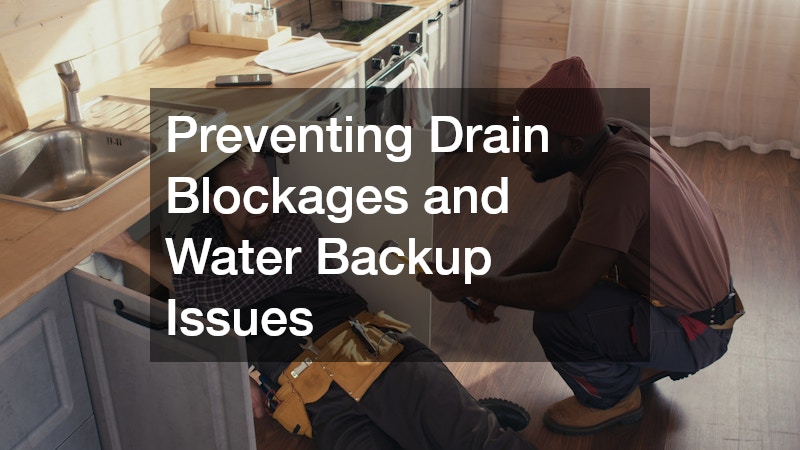
Drain systems are often overlooked until a serious clog or backup occurs. Over time, buildup from grease, hair, soap, and debris can restrict water flow and cause damage.
Routine drain cleaning is one of the most effective ways to prevent plumbing emergencies.
Preventative habits:
- Avoid pouring grease or oil down sinks
- Use drain covers to catch hair and debris
- Flush drains with hot water periodically
- Clean sink traps regularly
- Schedule professional maintenance when needed
Signs of developing issues:
- Slow drainage in sinks or tubs
- Gurgling sounds in pipes
- Unpleasant odors from drains
- Frequent minor clogs
Preventing buildup helps maintain proper water flow and reduces the risk of backups and water damage.
Avoiding Plumbing Failures and Water Damage
Plumbing issues can escalate quickly, often causing hidden water damage before they are detected. Even small leaks can lead to mold growth, structural deterioration, and expensive repairs.
Professional plumbing services help identify hidden problems and ensure systems are functioning properly.
Preventative maintenance tips:
- Check under sinks and appliances for leaks regularly
- Inspect visible pipes for corrosion or moisture
- Monitor water pressure changes
- Insulate pipes in colder months
- Replace worn-out seals and fixtures promptly
Common warning signs:
- Unexpected increases in water bills
- Damp spots on walls or floors
- Persistent dripping sounds
- Discolored water from faucets
Staying ahead of plumbing issues is essential for protecting both the structure and safety of your home.
Most household problems do not appear suddenly—they develop gradually over time due to wear, neglect, or environmental exposure. By learning how to recognize early warning signs and applying consistent preventative care, homeowners can significantly reduce repair costs and improve overall home performance.
A proactive approach to maintenance ensures that small issues are addressed before they turn into major disruptions. Whether it involves structural care, system upkeep, or environmental safety, regular attention is the key to a more reliable and efficient home.