Rotten plywood is one of the most serious roofing problems a homeowner can face, yet it often goes unnoticed until major damage has already occurred. Plywood serves as the foundation of your roofing system—supporting shingles, underlayment, and structural components. When it becomes weakened by moisture, pests, or improper ventilation, the entire roof is compromised. This deterioration doesn’t just affect appearance; it creates safety hazards, increases the risk of leaks, and leads to expensive structural repairs. Understanding how rotten plywood develops and why prompt roof repair is essential can help you protect your home from long-term damage.
Below is a detailed look at how rotten plywood destroys roof integrity and what homeowners need to watch for.
Moisture Intrusion Is the Primary Cause of Rot
Plywood rot occurs when moisture penetrates the roofing system and becomes trapped between layers. This moisture may come from leaks, poor ventilation, ice dams, or damaged shingles.
Over time, water saturates the plywood, causing it to soften, weaken, and eventually decay.
Common sources of moisture intrusion include:
-
Cracked or missing shingles
-
Damaged flashing
-
Faulty gutters or drainage systems
-
Improper installation of roofing materials
-
Wind-driven rain sneaking under loose shingles
Once water reaches the plywood, rot spreads quickly. Addressing moisture-related problems early through roof repair prevents further deterioration and protects the underlying structure.
Rotten Plywood Compromises Structural Stability
The strength of your entire roofing system depends on solid decking. When plywood begins to rot, it loses its ability to support weight. This leads to:
-
Sagging rooflines
-
Soft or spongy spots
-
Shingles that buckle or warp
-
Increased risk of collapse under heavy snow or rain
As the plywood continues to degrade, it can no longer hold nails or fasteners properly, causing shingles and underlayment to shift or detach. These issues make the roof more vulnerable to storms, leaks, and additional structural damage. Prompt roof repair is necessary to replace weakened sections before the problem spreads.
Rotten Plywood Allows Leaks to Spread Quickly
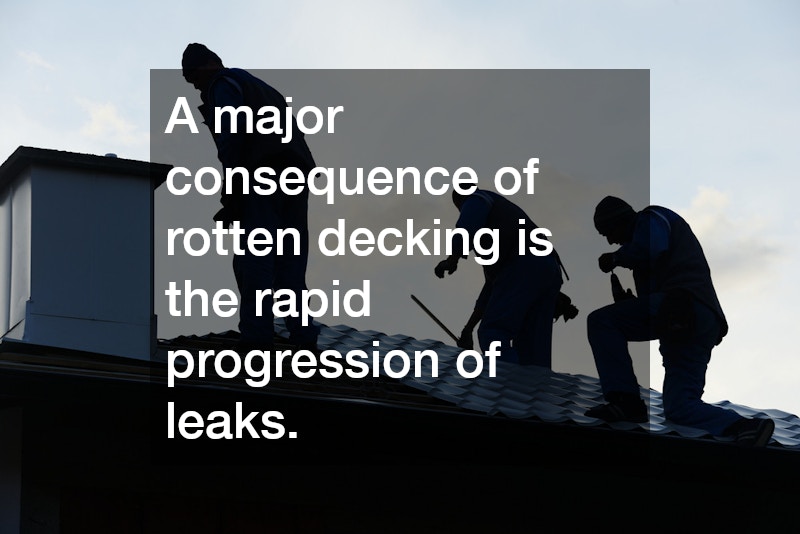
A major consequence of rotten decking is the rapid progression of leaks. Softened plywood can no longer act as a barrier, making it easy for water to seep deeper into your home. This leads to:
-
Damaged insulation
-
Ceiling stains
-
Mold and mildew growth
-
Warped walls and flooring
What may start as a small leak can, over time, affect entire sections of the home. Because water travels unpredictably along beams and supports, the visible damage is often far from the leak’s origin. Professional roof repair ensures leaks are traced correctly and the rotten plywood causing them is removed and replaced.
Rotten Plywood Compromises Roof Ventilation
Proper ventilation is critical to preventing moisture buildup and regulating attic temperatures. When plywood begins to deteriorate, it may impact airflow due to sagging, insulation damage, or blockage from mold and rot. Poor ventilation contributes to:
-
Overheated attic spaces
-
Increased energy bills
-
Further moisture evaporation into the plywood
-
Ice dam formation in winter
These conditions accelerate the deterioration of roofing materials and make the roof more prone to future leaks and rot. Correcting ventilation issues often goes hand-in-hand with roof repair to ensure the system functions correctly.
Mold and Mildew Thrive in Rotten Wood
Rotten plywood creates a perfect environment for mold and mildew. Once mold infiltrates the wood, spores can spread into the attic, insulation, and even the living areas of the home. This poses significant health risks, such as:
-
Allergic reactions
-
Respiratory problems
-
Eye and throat irritation
-
Worsened asthma symptoms
Removing mold-infested plywood is critical to maintaining a healthy home. Professional roofers performing roof repair will identify contaminated areas and replace compromised decking safely.
Rotten Plywood Reduces the Lifespan of Your Roofing System
Your roof is designed to last decades, but rotten decking can cut that lifespan dramatically. As the foundation of the roof weakens, shingles wear out faster due to:
-
Uneven surfaces
-
Nail pops or loose fasteners
-
Poor shingle adhesion
-
Increased exposure to wind uplift
Because shingles rely on solid decking for secure installation, their performance deteriorates once plywood starts to fail. This leads to more frequent repairs and, in severe cases, total roof replacement long before expected.
Regular inspections and timely roof repair help identify early signs of decking problems and prolong your roof’s lifespan.
The Dangers of Walking on Rotten Roof Decking
Rotten plywood isn’t just a structural problem—it’s a safety hazard. Walking on a roof with weakened decking can cause the plywood to collapse beneath your weight, leading to serious injury. Professionals are trained to detect soft spots and navigate roofs safely, further reinforcing why DIY roof repairs are risky.
If you suspect rotten plywood, avoid climbing onto the roof and schedule a professional inspection right away.
How to Identify Rotten Plywood Before It’s Too Late
While rotten decking isn’t always visible from the ground, there are several warning signs homeowners can watch for:
-
Sagging or uneven rooflines
-
Persistent or recurring leaks
-
Curled or buckling shingles
-
Moss or algae growth
-
Soft spots when walking in the attic
-
Visible mold or mildew
-
Musty odors in the attic
If any of these signs appear, it’s time to schedule a professional evaluation. Experienced contractors performing roof repair can pinpoint the problem and determine whether plywood replacement is necessary.
Repairing Rotten Plywood Requires Professional Expertise
Replacing rotten plywood is not a simple project. It involves removing shingles, underlayment, and damaged decking safely while preserving undamaged areas. Professionals ensure:
-
Structural stability is restored
-
Moisture sources are eliminated
-
Proper ventilation is installed
-
The roof is resealed correctly
Skipping steps or ignoring the root cause will only lead to more rot. That’s why expert roof repair is essential for long-term success.
Rotten plywood may begin quietly, but its impact on your roof is anything but subtle. From structural instability to widespread leaks and mold, the consequences can be severe if left untreated. By recognizing the signs early and investing in timely roof repair, homeowners can preserve their roof’s integrity, protect their home’s structure, and avoid costly damage. Taking action now ensures your roofing system remains strong, safe, and dependable for years to come.