

Building a custom home is often described as a once-in-a-lifetime opportunity, but it is also one of the most complex projects a homeowner can take on. Between design decisions, budgeting, contractor coordination, and long timelines, it is easy to focus on the exciting elements while missing foundational steps that determine long-term success. Many homeowners assume that hiring the right builder will automatically prevent problems, but even the best professionals rely on informed, prepared clients.
The most costly mistakes in custom home planning rarely come from bad intentions. Instead, they stem from overlooked details, rushed decisions, or assumptions made too early in the process. These missteps can affect comfort, durability, maintenance costs, and even resale value years down the road. Understanding where homeowners commonly fall short allows you to approach your project with clarity and confidence.
This article walks through the planning stages that are most often underestimated or skipped altogether. Each section focuses on actionable steps you can take before construction begins—or before it goes too far to change. By addressing these areas early, you can protect your investment and create a home that truly supports your lifestyle.

Clarifying Your Lifestyle
Before sketches turn into construction documents, homeowners need to think deeply about how they actually live day to day. Too often, design decisions are driven by trends, inspirational photos, or resale assumptions instead of real routines. A home that looks stunning on paper can feel awkward if it doesn’t support how you cook, work, relax, or entertain. Taking time to map daily habits helps ensure your home functions as well as it looks.
This step is especially important when building a luxury custom home, where expectations for comfort and personalization are high. Larger homes introduce more complexity, from longer walking distances to increased maintenance needs. Without intentional planning, square footage can become wasted space rather than a meaningful upgrade. Thoughtful design begins with lifestyle alignment, not square footage targets.
Start by asking practical questions about how spaces will be used throughout the day. Consider factors such as noise separation, storage needs, privacy, and flexibility for future changes. Think beyond current needs to how your household might evolve over the next 10 to 20 years.
Helpful considerations include:
-
How many people use the kitchen at the same time
-
Whether work-from-home spaces need sound control
-
How guests move through the home during gatherings
-
Storage for hobbies, sports equipment, or seasonal items
After listing these needs, revisit your floor plan with a critical eye. Make sure each room has a clear purpose and that circulation paths feel intuitive. This upfront clarity reduces redesigns later and ensures your home supports daily life rather than forcing adjustments.
Investigating the Lot
Choosing a lot often begins with emotional factors like views, neighborhood feel, or proximity to work. While these elements matter, they don’t tell the full story of how buildable a property truly is. Soil quality, slope, drainage, and access can dramatically affect construction methods and costs. Ignoring these factors early can lead to delays and budget overruns once work begins.
A thorough site evaluation should happen before finalizing design decisions. Working with an experienced excavating contractor early allows potential challenges to surface while changes are still affordable. Issues such as unstable soil, hidden rock formations, or high water tables can influence foundation design and grading plans. These realities should shape the home design, not be discovered after permits are pulled.
Homeowners should also review regulatory constraints tied to the land. Zoning laws, setback requirements, easements, and environmental restrictions can limit where and how you build. Even lots within the same neighborhood can have different rules depending on how they were subdivided.
Key site questions to resolve early include:
-
How much grading is required to create a level building pad
-
Whether the lot allows for walkout basements or split-level designs
-
Where utilities will enter the property
-
How will construction equipment access the site
Once these answers are clear, your design team can create plans that respect the land instead of fighting it. This alignment reduces surprises during construction and helps ensure the finished home feels naturally integrated with its surroundings.
Budgeting Realistically
Many homeowners begin budgeting with construction costs alone, assuming land-related expenses will be minor or predictable. In reality, site preparation often contains the most variability and risk. Clearing, grading, erosion control, and temporary access roads can quickly add up. Without a detailed breakdown, budgets can unravel before framing even begins.
Early coordination with a reputable land clearing company helps clarify what is included—and what is not—in initial estimates. Clearing costs can vary based on tree density, root systems, disposal requirements, and local regulations. Some properties require selective clearing rather than full removal, which can increase labor time. These nuances should be reflected in the budget from the start.
Beyond clearing, homeowners should plan for contingency funds related to site work. Unforeseen conditions such as buried debris, poor soil compaction, or drainage corrections are common. A realistic budget accounts for these possibilities rather than hoping they won’t occur.
Commonly overlooked site expenses include:
-
Temporary utility hookups and construction power
-
Soil testing and engineering reports
-
Stormwater management requirements
-
Restoration of disturbed areas after construction
Once these costs are identified, homeowners can prioritize spending more effectively. Understanding where flexibility exists—and where it doesn’t—helps prevent emotional decisions later. A transparent, well-structured budget allows you to move forward confidently instead of reacting to financial surprises.

Choosing the Building Envelope
The building envelope plays a critical role in energy efficiency, comfort, and long-term durability. Walls, roofing, insulation, and moisture barriers must work together as a system. Homeowners often choose materials based on appearance or brand recognition without understanding how they perform in local climate conditions. This oversight can lead to higher energy bills and premature wear.
Roofing decisions, in particular, should involve early input from qualified roofing contractors. Roof pitch, material selection, ventilation strategies, and underlayment choices all influence performance. In areas with heavy snow, high winds, or intense heat, the wrong roofing system can become a recurring maintenance issue. These decisions are difficult and expensive to change later.
Beyond the roof itself, homeowners should think about how water moves across and away from the structure. Proper flashing, drainage planes, and gutter systems protect the home from moisture intrusion. These components are often invisible once construction is complete, yet they are essential for long-term protection.
Important envelope considerations include:
-
Compatibility between insulation and ventilation methods
-
Warranty coverage for materials and installation
-
Local code requirements for wind and fire resistance
-
Long-term maintenance expectations
When these elements are planned together, the home performs better and lasts longer. Investing time in envelope decisions upfront reduces ongoing costs and protects the structure for decades.
Planning Exterior Finishes
Exterior finishes are often chosen late in the design process, once structural plans are already finalized. This sequencing can create conflicts between material requirements and framing details. Certain siding types require specific fastening methods, spacing, or moisture barriers. Without early coordination, adjustments may be needed after framing begins.
Working closely with experienced siding contractors during the planning phase helps prevent these issues. They can advise on substrate requirements, expansion gaps, and trim details that affect both appearance and performance. Lead times for specialty materials should also be factored into the construction schedule. Delays in siding delivery can stall multiple trades.
Climate exposure should guide exterior material choices as much as aesthetics. Sun, moisture, temperature swings, and wind all impact how siding ages over time. Some materials perform beautifully in one region but struggle in another. Understanding these differences helps homeowners make informed decisions.
Exterior planning should also account for:
-
Integration with windows and doors
-
Access for future maintenance
-
Color fading and long-term appearance
-
Manufacturer installation requirements
By selecting and coordinating exterior materials early, homeowners avoid rushed decisions and mid-project changes. The result is a cohesive exterior that performs well and maintains its appearance over time.
Designing Mechanical Systems
Mechanical systems are often treated as technical details rather than design drivers. In reality, heating, cooling, and ventilation needs should influence room layouts, ceiling heights, and storage planning. Waiting until framing is complete to address these systems limits options and increases costs. Early planning ensures systems fit the home rather than being forced into it.
Engaging an experienced HVAC company during the design phase allows for accurate load calculations and system sizing. Oversized systems waste energy and create comfort issues, while undersized systems struggle to maintain temperature. Zoning strategies can improve comfort in multi-level homes but require careful duct planning.
Mechanical room placement is another commonly overlooked detail. These spaces need sufficient clearance for maintenance, upgrades, and airflow. Poorly planned mechanical rooms become cramped and inefficient, complicating future service.
Key HVAC planning considerations include:
-
Duct routing that minimizes noise and heat loss
-
Placement of vents to avoid drafts
-
Integration with smart thermostats
-
Future expansion or system upgrades
Thoughtful mechanical design improves comfort and reduces operating costs. When systems are planned early, they become invisible contributors to daily comfort rather than constant sources of frustration.
Coordinating Electrical Planning
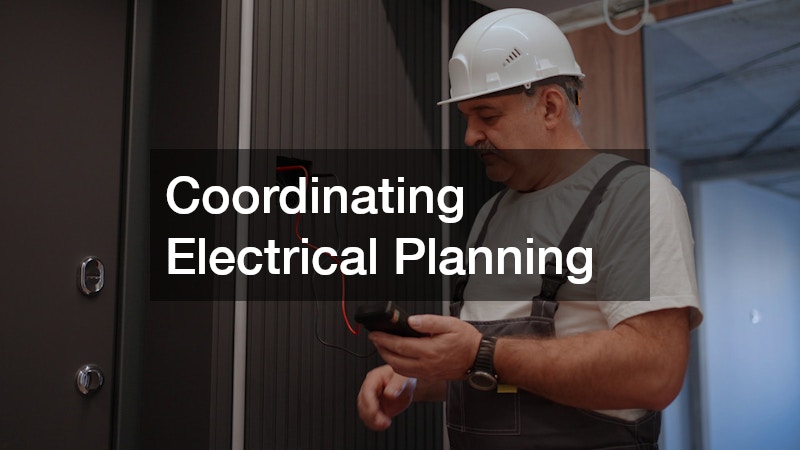
Electrical planning often begins with code minimums rather than lifestyle needs. Standard outlet spacing and basic lighting layouts rarely support how people actually use their homes. Without detailed planning, homeowners end up relying on extension cords, table lamps, and after-the-fact modifications. These fixes compromise both aesthetics and functionality.
Working closely with licensed electricians before rough-in allows you to customize placement based on real furniture layouts and daily habits. Lighting should be layered, combining ambient, task, and accent sources. Technology needs such as home offices, media rooms, and charging stations require additional planning.
Future-proofing is another critical aspect of electrical design. Even if you don’t plan to install certain technologies immediately, running conduit or extra wiring now is far easier than retrofitting later. This foresight supports evolving needs without major disruption.
Electrical planning should address:
-
Outlet placement for nightstands, desks, and kitchen islands
-
Dedicated circuits for high-demand appliances
-
Exterior lighting and security needs
-
Structured wiring for data and networking
A well-planned electrical system supports comfort, productivity, and flexibility. By thinking beyond minimum requirements, homeowners create spaces that feel intuitive and adaptable.
Thinking Through Water Usage
Plumbing decisions often focus on visible fixtures rather than system performance. While faucets and finishes matter, water pressure, flow rates, and system layout have a greater impact on daily experience. In larger homes, poor planning can lead to inconsistent temperatures and frustrating delays. These issues are difficult to resolve once walls are closed.
Early consultation with a qualified plumbing company helps align fixture choices with system capacity. High-end showers, soaking tubs, and multiple simultaneous uses require proper sizing of supply lines and water heaters. Decisions about tankless versus traditional systems should reflect actual usage patterns.
Maintenance access is another overlooked factor. Shutoff valves, cleanouts, and service panels should be easy to reach. Poor access increases service costs and discourages routine maintenance.
Plumbing planning should include:
-
Water pressure balancing across floors
-
Hot water delivery times
-
Future fixture additions
-
Local water quality considerations
When plumbing systems are designed holistically, they provide consistent performance and reliability. Thoughtful planning ensures that daily routines remain comfortable and efficient.
Addressing Wastewater Solutions Early
Homes built outside municipal sewer systems require careful wastewater planning. Septic systems are not one-size-fits-all solutions; they must be designed based on soil conditions, household size, and local regulations. Delaying these decisions can restrict home placement and limit design options. Early planning avoids costly redesigns.
Professional guidance is essential when planning septic tank installations. Soil percolation tests determine what type of system is allowed and where it can be placed. Drain fields require clear space and cannot be located under driveways or structures. These constraints should be reflected in site and home plans.
Homeowners should also consider long-term maintenance and access. Septic systems require periodic pumping and inspection. Poor access can increase service costs and complicate repairs.
Important septic planning factors include:
-
System capacity for future household changes
-
Reserve drain field locations
-
Protection from surface water runoff
-
Local inspection and approval timelines
Addressing wastewater needs early ensures compliance and protects property value. It also prevents last-minute compromises that affect layout or landscaping.

Locking in Interior Finish Selections
Interior finishes often feel like the fun part of the process, but they require careful coordination. Countertops, cabinetry, and appliances all influence each other’s dimensions and installation requirements. Choosing finishes too late can force layout changes or limit material options. Early decisions support smoother execution.
Working with a reputable countertop company early allows you to understand material availability, seam placement, and support requirements. Some materials require additional cabinetry reinforcement or specific overhang limits. These details should be incorporated into the cabinet design from the beginning.
Lead times are another important consideration. Natural stone, custom edges, and specialty finishes may require weeks or months to source. Delays in countertop selection can stall final installations and extend move-in dates.
Finish planning should also account for:
-
Maintenance and durability expectations
-
Color coordination with the flooring and backsplash
-
Edge profiles and thickness
-
Long-term resale appeal
When finishes are selected early and thoughtfully, they enhance both function and aesthetics. This coordination reduces stress during the final stages of construction and ensures a cohesive result.
Planning a custom home is as much about foresight as it is about creativity. The steps homeowners most often overlook are rarely glamorous, yet they have the greatest impact on comfort, durability, and long-term satisfaction. Addressing these areas early allows your project to move forward with fewer surprises and better outcomes.
By approaching each phase with intention and asking the right questions at the right time, you gain control over a complex process. Thoughtful planning doesn’t eliminate challenges, but it equips you to handle them confidently. In the end, the success of your home is determined not just by what you build, but by how carefully you prepare to build it.