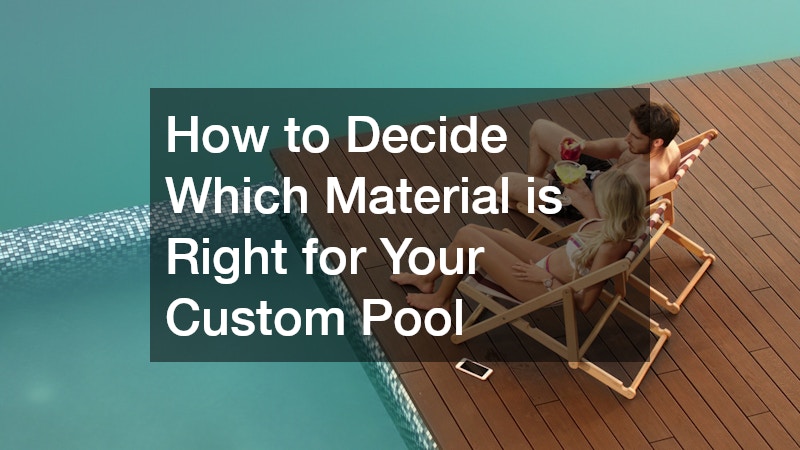

Consider all potential impacts and benefits associated with each material option. This includes evaluating initial costs, long-term maintenance, and potential repairs. By understanding these elements, you ensure your custom pool meets expectations and serves you well for years.
Most Popular Pool Materials Available
Concrete Pools
Concrete pools are known for their durability and customization options, making them a popular choice. Their strong structure allows intricate designs and shapes not possible with other materials. Maintenance considerations, such as frequent cleaning and resurfacing, can add to lifetime costs.
The customizable nature of concrete means tailoring the pool to unique design preferences, including personalized tilework or creative shapes. Although the initial investment is higher, the long lifespan and design flexibility often justify the cost. Concrete pools can take several months to construct, making them less suitable for quick installations.
Regular maintenance is key to the longevity of concrete pools, as they are susceptible to algae growth. This requires cleaning and chemical treatments to keep the water clear and usable. Understanding these requirements helps decide if a concrete pool suits your lifestyle and maintenance willingness.
Fiberglass Pools
Fiberglass pools are popular due to their cost-effectiveness and rapid installation timeframe. These pre-fabricated shells are often installed within weeks, significantly saving time compared to concrete pools. Fiberglass pools have limitations in size and shape, which might not appeal to those desiring more design options.
The smooth, non-porous surface of fiberglass reduces the need for chemical cleansers, simplifying maintenance and reducing costs. Over its lifespan, a fiberglass pool can be an affordable option with fewer additional expenses. Fiberglass is less prone to algae, reducing maintenance interventions.
Upfront costs of fiberglass pools are often offset by lower lifetime maintenance costs. Although initially more affordable than concrete, fewer design choices may be a drawback. Homeowners opting for fiberglass should weigh the benefit of speedy setup against design creativity.
Vinyl Pools
Vinyl pools are appealing due to their affordability and ease of installation, often completed in a few weeks. Ideal for those on a tighter budget, vinyl offers customizable layouts at a lower initial cost. However, vinyl liners need replacement every 5 to 10 years, which should be part of long-term planning.
The smoothness of vinyl provides a comfortable swimming experience and reduces extensive scrubbing. However, tears or punctures require liner repair or replacement, affecting ongoing costs. Vinyl pools allow many to enjoy owning a pool without exorbitant investments.
Easy installation makes vinyl a convenient option for quick projects, offering diverse designs affordably. Nonetheless, frequent liner replacements may overshadow initial savings. These aspects are crucial when selecting vinyl as your pool material choice.
Evaluating Cost vs. Longevity When Selecting Pool Materials
Initial pool material costs vary significantly depending on your choice. Concrete pools generally demand higher initial investment than fiberglass or vinyl due to labor and material costs. In contrast, fiberglass and vinyl present more budget-friendly options upfront.
Understanding these costs helps set realistic expectations for your project. Budget for potential overages, especially with custom concrete designs, which can fluctuate based on complexity and materials. Balancing initial expenses with anticipated enjoyment influences your material choice significantly.
Although cheaper initially, vinyl materials may incur more frequent replacement costs. Consider not just the sticker price but also how each material fits within your long-term financial plan. This prevents surprises and ensures a financially sustainable project.
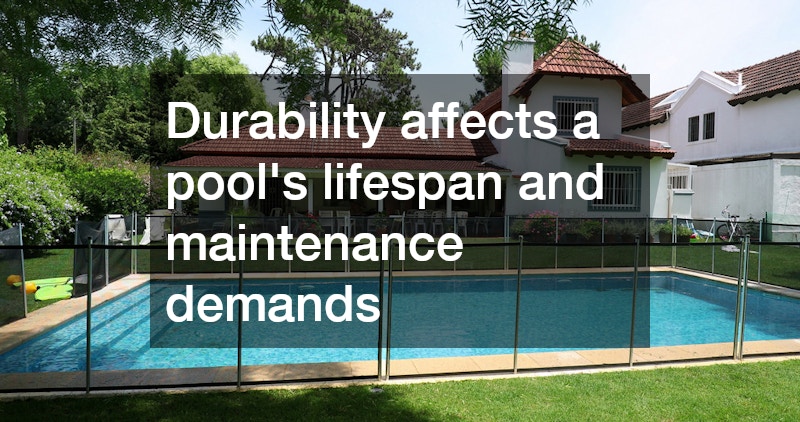
Durability affects a pool’s lifespan and maintenance demands. Concrete pools offer impressive longevity, often lasting decades with proper care. Fiberglass maintains structural integrity and finish over time.
Vinyl pools may not match the lifespan of concrete or fiberglass due to liner replacements. This can mean more frequent disruptions and additional costs. Understanding material lifespan helps balance cost versus long-term expenses.
Concrete’s susceptibility to cracks requires proactive repairs but, when well-maintained, offers unmatched durability. Fiberglass’s resistance to algae due to its non-porous surface enhances longevity by reducing degradation.
Materials’ Impact on Aesthetics and Design Flexibility
Material choice affects design possibilities, offering different degrees of flexibility in shapes and features. Concrete pools provide the greatest customization, allowing for infinity edges to custom water features. No other material matches concrete’s flexibility for unique designs.
Fiberglass pools offer standard shapes dictated by molds, limiting high-end custom looks. Despite this, quick installation and minimal maintenance balance out. For simpler designs, fiberglass pools offer a practical option that balances aesthetics and simplicity.
Vinyl pools allow modifications within liner constraints, offering a middle ground between concrete and fiberglass. While not as customizable as concrete, vinyl accommodates distinctive shapes efficiently. Design options should align with your pool vision and lifestyle.
Color and texture impact pool personalization, affecting overall look and feel. Concrete pools allow customization with tiles and plaster for varied color and finish options. Mosaics or patterns add artistic flair.
Fiberglass pools have limited colors due to mold designs, but remain sleek with shiny finishes. Reflecting blues complement most landscapes. Limited color choices still provide a cohesive, polished look.
Vinyl liners offer color choices and printed patterns, mimicking expensive materials. Options range from blue to elegant patterns, adapting to any surroundings. Printed designs may fade over time, necessitating liner changes.
Ultimately, understanding material differences helps make an informed choice, complementing your outdoor space beautifully. The ideal material matches tastes, budget, and provides lasting satisfaction. Pool ownership should offer enjoyment and home enhancement.