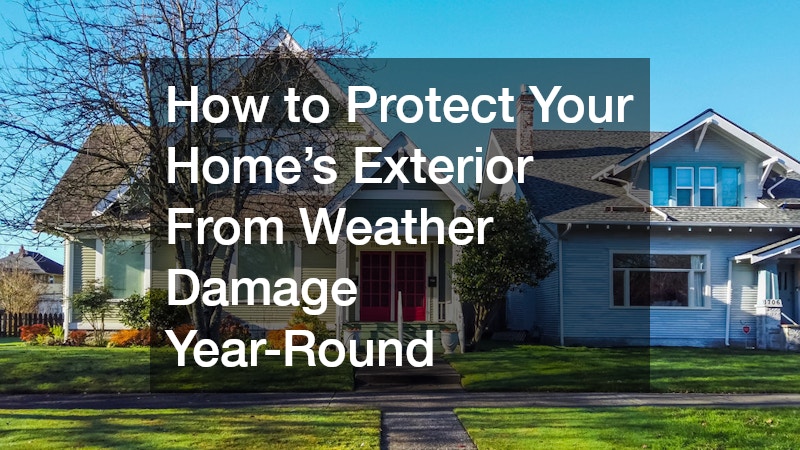

Your home’s exterior acts as the first line of defense against nature. Rain, snow, heat, wind, humidity, and debris constantly test the durability of roofing materials, siding, windows, and outdoor structures. While most homeowners focus on interior comfort, long-term property value often depends more on how well the outside of the home is maintained. Preventative care reduces costly repairs, improves energy efficiency, and keeps your property looking its best in every season.
Weather damage rarely happens overnight. Instead, it builds gradually through small vulnerabilities – clogged drainage systems, weakened seals, aging materials, or neglected landscaping. The good news is that consistent maintenance and smart upgrades can dramatically extend the life of your home’s exterior. By taking a proactive approach throughout the year, you can avoid emergency repairs and maintain structural integrity even during extreme conditions.
The following guide provides practical, detailed strategies you can implement season by season. Each section focuses on actionable steps that homeowners can realistically follow, whether you prefer DIY upkeep or hiring professionals when needed.

Inspect Your Exterior at the Start of Every Season
Seasonal inspections are one of the most effective ways to prevent weather damage. Each season introduces unique stressors: winter freezes expand cracks, spring rains reveal drainage issues, summer heat accelerates material aging, and fall debris blocks airflow and water flow. Walking around your property four times per year helps you identify problems before they escalate.
Start by slowly circling your home and observing changes since your last inspection. Look for loose materials, discoloration, cracks, moisture stains, or areas where landscaping touches the structure. Pay close attention to corners and joints where water commonly enters. Many homeowners miss early warning signs simply because they don’t know where to look. A thorough inspection should include:
- Checking siding panels for warping or separation
- Examining caulking around windows and doors
- Looking for standing water near the foundation
- Inspecting outdoor fixtures and vents
- Watching for pest entry points
- Checking fences and gates for instability
After completing the walkthrough, document findings with photos. Keeping a seasonal record allows you to track deterioration over time and prioritize maintenance projects. If structural issues appear beyond your expertise, consulting a siding contractor can help determine whether repairs or replacement are necessary before moisture damage spreads.
Regular inspections also help you budget more effectively. Small fixes completed early are significantly less expensive than major restorations caused by neglect. By tracking maintenance costs each season, you can prioritize projects based on urgency and available funds. Additionally, keeping a record of repairs helps you plan for long-term upgrades, ensuring your home remains protected without unexpected financial strain.
Maintain Proper Roof Care Throughout the Year
Your roof absorbs the harshest weather conditions your home experiences. Sun exposure dries materials, storms loosen shingles, and snow accumulation adds heavy weight. Consistent maintenance protects both the exterior structure and the interior living space beneath it. Homeowners should visually examine roofing surfaces from ground level every few months. Look for missing shingles, uneven lines, or debris buildup. Minor damage may seem harmless, but it allows water infiltration that can lead to mold or insulation problems.
Professional roofing contractors play an important role in preventative care. Annual inspections identify hidden weaknesses such as flashing deterioration or ventilation issues. When damage occurs, timely roof repairs prevent leaks from expanding into structural problems. Important maintenance habits include:
- Clearing debris after storms
- Checking attic ventilation and insulation
- Ensuring flashing remains sealed
- Monitoring ceilings for water stains
- Scheduling inspections after severe weather
Preventative roof care extends lifespan significantly. A well-maintained roof can last years longer than one left unchecked, saving thousands in replacement costs. Regularly removing debris and inspecting flashing or shingles prevents small issues from turning into leaks that compromise the entire structure. Scheduling professional inspections at least once a year ensures hidden problems are caught early, giving you peace of mind and reducing emergency repair expenses.
Keep Gutters and Drainage Systems Flowing Properly
Water management is essential for protecting exterior materials. When gutters clog or downspouts fail, water overflows onto siding, pools near foundations, and erodes landscaping. Over time, improper drainage becomes one of the leading causes of exterior deterioration. Gutters should be cleaned at least twice per year, typically in spring and fall. However, homes surrounded by trees may require more frequent maintenance. Debris buildup traps moisture and accelerates rust or rot, especially in older systems.
During cleanup, inspect for alignment problems or loose fasteners. Water should flow freely toward downspouts and away from the home’s base. Extensions or splash blocks help redirect runoff and prevent soil displacement. Key drainage improvements include:
- Installing gutter guards to reduce debris accumulation
- Adjusting slope for proper water flow
- Sealing joints to prevent leaks
- Extending downspouts several feet from the foundation
- Checking underground drainage lines for clogs
After maintenance, run water through the system using a hose to confirm proper flow. Consistent drainage protection prevents foundation cracks, basement moisture, and exterior staining.

Protect Exterior Surfaces With Durable Finishes
Exterior finishes serve as protective shields against moisture, UV rays, and temperature fluctuations. Paint, sealants, and coatings prevent materials from absorbing water and breaking down prematurely. Over time, however, these protective layers wear away and require renewal. Sunlight is especially damaging because ultraviolet exposure gradually weakens pigments and binding agents. Fading or peeling paint often signals that surfaces are becoming vulnerable to moisture intrusion. Recoating at the right time prevents more serious structural damage.
Visiting reputable paint stores can help homeowners select weather-resistant products designed for regional climates. High-quality coatings typically include mildew resistance, UV protection, and improved flexibility to handle temperature expansion. When refreshing exterior finishes, consider these best practices:
- Pressure wash surfaces before repainting
- Repair cracks or holes prior to sealing
- Use primer for better adhesion
- Apply coatings during mild weather conditions
- Choose lighter colors in hot climates to reflect heat
Protective finishes do more than improve appearance; they preserve material strength and reduce maintenance frequency over time.
Maintain Windows and Improve Visibility and Protection
Windows are vulnerable points where weather, moisture, and air infiltration commonly occur. Proper maintenance improves energy efficiency while preventing water intrusion that can damage framing and walls. Routine window cleaning helps homeowners spot developing issues such as cracked seals, damaged caulking, or condensation between panes. Dirt buildup can hide early warning signs, delaying necessary repairs. Clean glass also allows more natural light indoors, reducing reliance on artificial lighting.
Exterior shutters provide both aesthetic and functional benefits when maintained properly. During storms, they help shield glass from flying debris and strong winds. Hinges, fasteners, and mounting hardware should be inspected annually to ensure stability. Focus on these maintenance steps:
- Replace worn weatherstripping
- Reapply exterior caulk when cracks appear
- Inspect window frames for rot or softness
- Tighten shutter hardware
- Check drainage channels for blockages
Consistent upkeep strengthens one of the home’s most sensitive exterior components while improving comfort indoors.
Manage Trees and Landscaping to Reduce Storm Risks
Landscaping significantly influences how the weather affects your home. Overgrown branches scrape siding, drop debris onto roofs, and increase the risk of damage during storms. Roots can also affect drainage patterns and foundation stability. Working with a professional tree service helps ensure large trees remain healthy and structurally balanced. Experts can identify weak limbs or diseases that may not be obvious to homeowners. Preventative pruning reduces the chance of branches falling during heavy wind or snow.
Landscaping should also promote airflow and moisture control. Plants placed too close to exterior walls trap humidity and encourage mold growth. Maintaining proper spacing allows surfaces to dry quickly after rain. Smart landscaping practices include:
- Trimming branches at least 6–10 feet from the roof
- Removing dead or leaning trees
- Keeping mulch away from siding bases
- Choosing native plants suited to the local weather
- Maintaining gentle grading away from the home
After adjustments, monitor how water flows during rainfall. Well-managed landscaping protects both structural materials and outdoor living spaces.

Strengthen Outdoor Structures Against Wind and Moisture
Outdoor features such as fences, decks, and gates endure constant exposure to weather extremes. Without routine care, these structures weaken, lean, or rot – potentially becoming safety hazards during storms. Hiring a reliable fencing service ensures posts are anchored correctly and materials remain weather-resistant. Professionals can reinforce structural supports and replace damaged sections before high winds cause failures. Sometimes exterior upgrades or replacements generate debris that must be handled efficiently. Arranging a dumpster rental during larger maintenance projects keeps work areas organized and prevents waste from accumulating near the home, where it could trap moisture or attract pests. Important maintenance steps include:
- Sealing wood surfaces annually
- Checking fasteners for rust or loosening
- Ensuring posts remain level and stable
- Removing soil buildup around structures
- Replacing damaged boards promptly
Properly maintained outdoor structures not only improve safety but also enhance overall property durability during severe weather.
Prepare for Heavy Rain and Storm Seasons
Storm preparation goes beyond emergency planning; it involves strengthening your home before severe weather arrives. Heavy rains test every weakness in the exterior envelope, from roofing joints to ground grading. Inspect vulnerable areas well before storm season begins. Seal gaps where pipes or cables enter the home, and confirm that drainage systems direct water away efficiently. Reinforcing exposed areas prevents sudden failures during intense conditions. When evaluating roofing durability, homeowners sometimes discover aging materials nearing the end of their lifespan. Planning a roof install proactively allows upgrades to stronger, weather-resistant materials rather than reacting to storm damage afterward. Storm-readiness improvements may include:
- Installing weather-resistant flashing
- Securing outdoor furniture and fixtures
- Adding splash guards near entryways
- Checking sump pump functionality
- Reinforcing vulnerable exterior seams
After preparation, conduct a simulated inspection using a garden hose to observe how water moves around your home. Small adjustments can make a major difference during real storms.
Prevent Winter Damage Before Temperatures Drop
Cold weather introduces unique threats, including freezing expansion, ice buildup, and moisture trapped beneath surfaces. Preparing your exterior before winter arrives reduces the risk of structural cracking and water infiltration. Begin by sealing openings where cold air and moisture can enter. Frozen water expands inside tiny cracks, widening them and weakening materials over time. Addressing small gaps in autumn prevents larger issues in spring. Roof edges and overhangs deserve special attention because melting snow can refreeze and form ice dams. Adequate insulation and ventilation help regulate temperature differences that cause these problems. Winter preparation priorities include:
- Inspecting insulation levels in attic spaces
- Clearing gutters before snowfall
- Sealing foundation cracks
- Covering outdoor fixtures
- Checking exterior lighting for safety during shorter days
After completing winter preparations, periodically inspect your property following snowstorms to ensure no new damage has formed. Check the roof for accumulated ice or snow that could create stress points, and clear walkways to prevent water from seeping into foundations when it melts. Also, examine exterior pipes and faucets for signs of freezing or cracks, addressing issues immediately to avoid costly repairs.

Build a Long-Term Exterior Maintenance Schedule
Consistency is the secret to year-round protection. Instead of reacting to problems individually, homeowners benefit from creating a structured maintenance calendar that spreads tasks across the year. A long-term plan reduces overwhelm and ensures critical areas are never neglected. Divide responsibilities by season and assign reminders so inspections and upkeep become routine habits rather than emergency responses. A sample yearly maintenance rhythm might include:
- Spring: inspections, cleaning, and repainting touch-ups
- Summer: landscaping control and structural repairs
- Fall: drainage cleaning and winter preparation
- Winter: monitoring and interior moisture checks
After establishing your schedule, adjust it based on climate conditions and home age. Older homes may require more frequent inspections, while newer materials still benefit from preventative care. Keeping records of completed work also improves resale value. Buyers appreciate documented maintenance histories because they demonstrate responsible ownership and reduced future risk.
Protecting your home’s exterior from weather damage requires awareness, planning, and consistent action throughout the year. Small preventative steps – performed regularly – help preserve structural integrity, maintain appearance, and reduce costly surprises. By inspecting seasonally, maintaining protective systems, and addressing vulnerabilities early, homeowners can extend the lifespan of exterior materials while improving comfort and safety.
A proactive approach transforms maintenance from a stressful chore into a manageable routine. Over time, these habits create a resilient home capable of withstanding changing seasons and unpredictable weather conditions. With thoughtful care and attention, your home’s exterior can remain strong, efficient, and beautiful year after year.