
Preparing an excavation site is one of the most critical phases of a swimming pool installation. Before any concrete is poured or plumbing is set, the groundwork must be handled with precision. A properly prepared site ensures structural integrity, prevents drainage problems, and keeps the project on schedule. Homeowners often see excavation as simply digging a hole, but in reality, it is a carefully managed process that blends engineering, safety, and coordination.
Understanding how local pool companies approach this stage offers insight into why professional preparation matters so much.
Site Evaluation and Planning Before Digging Begins
The preparation process starts long before excavation equipment arrives at the property. Pool contractors begin with a thorough site evaluation that looks at both visible and hidden conditions. Soil composition is a major factor, since clay, sand, and loam all behave differently when disturbed. Expansive soils, for example, can shift with moisture changes, so they require additional stabilization measures.
Elevation and grading are also reviewed during this phase. The yard’s slope determines how water will drain away from the pool, which is essential for preventing erosion or hydrostatic pressure under the shell. Professionals map out the exact pool location, ensuring it meets setback requirements and avoids conflicts with existing structures. Underground utilities such as gas lines, electrical conduits, and irrigation systems are identified and marked to prevent costly or dangerous accidents.
Permitting and compliance are another key aspect of early planning. Reputable local pool companies work closely with municipal offices to secure permits and confirm that the project meets zoning and building codes. This step may include submitting site plans, engineering drawings, and drainage calculations.
Clearing, Marking, and Protecting the Work Area
With planning complete, attention turns to preparing the physical space. The first task is clearing the work area of obstacles. Landscaping features such as shrubs, fences, or patios may need to be temporarily removed or protected. Contractors take care to minimize disruption by fencing off the construction zone and covering nearby surfaces. This protects the rest of the property from debris and equipment damage.
Accurate layout marking follows. Using measurements from the approved plans, the pool’s exact shape and depth transitions are outlined on the ground. These markings guide the excavation crew and ensure the final pool matches the design specifications. Even small deviations at this stage can lead to issues later, so precision is essential. Professionals often double-check measurements and elevations before proceeding.
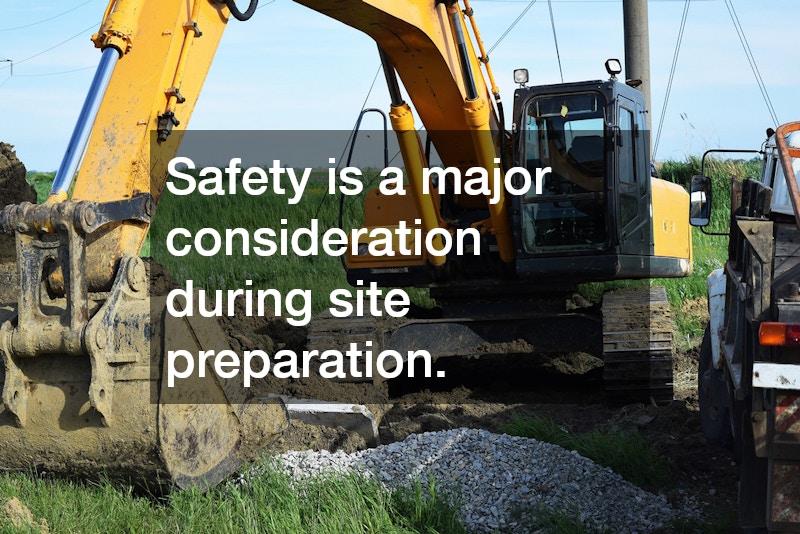
Safety is a major consideration during site preparation. Barriers and warning signage are installed to keep children and pets away from the work area. Equipment access paths are stabilized to prevent rutting or soil compaction outside the excavation zone. In some cases, temporary drainage channels or pumps are set up to manage groundwater or rain runoff. These precautions help maintain a clean, controlled environment throughout the dig.
Excavation Execution and Final Site Preparation
Once the site is cleared and marked, excavation can begin. Heavy machinery is operated by experienced technicians who understand how to cut clean walls and maintain proper depths. Excavation typically starts at the deep end and progresses methodically toward the shallow areas. Soil is removed in layers to prevent collapse and maintain stability. The crew constantly checks measurements to ensure the excavation matches the design profile.
As digging progresses, the crew addresses any unexpected conditions. Large rocks, high groundwater, or unstable soil may require adjustments. Solutions can include over excavation followed by backfilling with engineered materials, or the installation of drainage systems beneath the pool. These corrective measures are essential for long-term performance, even if they add time to the process.
After excavation is complete, the site undergoes final preparation. The floor and walls of the excavation are trimmed and compacted to create a uniform base. This step provides a stable foundation for steel reinforcement and plumbing installation. Any remaining loose soil is removed, and the area is cleaned of debris. Inspectors may visit at this stage to verify compliance with approved plans.
Excavation site preparation is far more than a preliminary task. It is a complex process that blends planning, precision, and problem-solving. From evaluating soil conditions to executing a carefully controlled dig, each step contributes to the pool’s longevity and safety. By understanding how professionals approach this phase, homeowners can better appreciate the value of hiring skilled local pool companies who prioritize proper preparation. A well-prepared excavation site is the foundation of a successful pool project, ensuring that everything built on top of it stands the test of time.