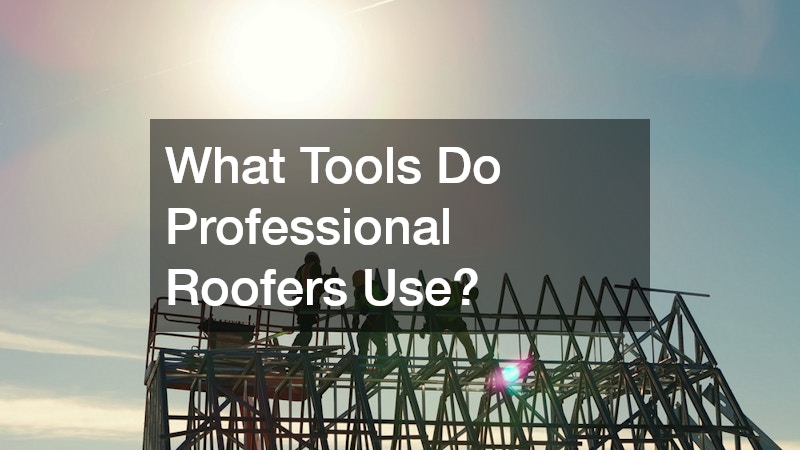
Professional roofers rely on a wide range of tools to complete roofing jobs safely, efficiently, and accurately. Whether they are installing new materials, sealing problem areas, or performing roof repairs, each tool has a specific purpose that helps ensure quality workmanship. Homeowners often wonder what goes into a roofing project behind the scenes, and understanding the tools roofers use provides insight into why hiring a qualified professional is so important. Roofing requires precision and expertise, and the right tools make all the difference in the durability and performance of your roof.
Below is a detailed guide to the most common tools professional roofers use and how each contributes to successful roofing work.
Safety Gear and Personal Protective Equipment (PPE)
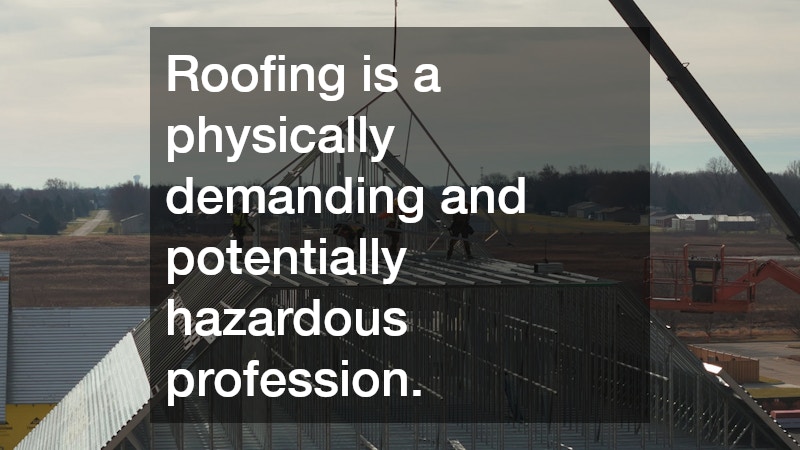
Roofing is a physically demanding and potentially hazardous profession. Before lifting a single shingle, roofers equip themselves with essential safety gear to prevent falls, injuries, and long-term strain.
Typical roofing PPE includes:
-
Fall protection harnesses
-
Roof anchors and ropes
-
Hard hats
-
Non-slip roofing boots
-
Safety glasses
-
Gloves
These items help roofers navigate steep slopes, handle sharp materials, and maintain stability while working at dangerous heights. Safety gear is especially important during extensive roof repairs, when roofers must access damaged or unstable areas.
Ladder Systems and Roof Access Tools
Getting safely onto the roof is the first step of any roofing project. Roofers use professional-grade ladders that lock securely and meet safety standards.
Common access tools include:
-
Extension ladders
-
Roof ladders with hooks
-
Step ladders
-
Stabilizer bars
These tools help roofers reach different roof sections safely and provide stable platforms to perform detailed work.
Shingle Removal Tools
When completing roof repairs or replacing sections of material, roofers often need to remove old shingles. They rely on specialized tools designed for efficient shingle extraction.
The most common include:
-
Shingle tear-off shovels
-
Shingle scrapers
-
Roofing spades
-
Flat pry bars
These tools allow professionals to lift shingles cleanly, remove nails, and expose the underlying roof layers without causing unnecessary damage.
Nail Guns and Fastening Tools
Securing shingles, flashing, and underlayment requires reliable fastening tools. Most roofers use pneumatic nail guns powered by air compressors because they speed up installation and ensure consistent nail depth.
Fastening tools used by roofers include:
-
Pneumatic roofing nail guns
-
Hammer tackers
-
Framing hammers
-
Air compressors
-
Coil nails designed for roofing
During roof repairs, nail guns help secure replacement shingles or flashing quickly and firmly, reducing the risk of wind damage or leaks.
Cutting Tools for Shingles and Materials
Roofers frequently customize shingles to fit tight corners, valleys, and edges. Cutting tools make precision cuts possible.
These tools often include:
-
Utility knives with hook blades
-
Tin snips
-
Circular saws for decking repairs
-
Roofing shears
Sharp, durable cutting tools help roofers achieve clean cuts and seamless installations, which are essential for leak prevention and a smooth appearance.
Measuring and Layout Tools
Accurate measurements are vital during installations and roof repairs. Even small errors can lead to uneven shingle rows, poor drainage, or gaps that let water in.
Common measuring tools include:
-
Tape measures
-
Chalk lines
-
Speed squares
-
Laser levels
Roofers use chalk lines to create straight, even guidelines, ensuring shingles are aligned correctly and consistently.
Tools for Working With Flashing and Sealants
Flashing and sealants play a critical role in waterproofing, especially around vulnerable areas such as chimneys, skylights, and vents. Roofers use specialized tools to install and shape flashing materials.
These tools include:
-
Metal snips for cutting flashing
-
Caulking guns for sealants
-
Trowels for spreading roofing cement
-
Hand seamers for bending metal
Proper flashing installation is essential for long-lasting protection, and these tools help roofers prevent leaks by ensuring tight, effective seals.
Debris Removal and Cleanup Tools
Roofing jobs generate plenty of debris—including old shingles, nails, and pieces of flashing. Roofers use a combination of tools to maintain a clean and safe jobsite.
Common cleanup tools include:
-
Magnetic sweepers for nails
-
Roofing brooms
-
Shovels and buckets
-
Debris chutes
-
Trash trailers
Even during small-scale roof repairs, debris removal ensures safety and helps maintain the integrity of gutters and landscaping.
Tools for Underlayment and Deck Repairs
Underlayment serves as a secondary barrier against moisture, and roof decking supports the entire structure. If these layers are damaged, roofers must repair or replace them using the right tools.
These may include:
-
Staple guns
-
Hammer tackers
-
Impact drivers
-
Circular saws or reciprocating saws
-
Measuring squares
Deck repairs often require cutting out rotted sections and securing new plywood or OSB panels. These tools allow roofers to perform structural repairs as needed.
Ventilation Installation Tools
Proper ventilation prevents heat buildup, moisture accumulation, and premature shingle failure. Roofers may install ridge vents, soffit vents, or exhaust fans as part of an installation or roof repair.
Ventilation-related tools include:
-
Hole saws
-
Power drills
-
Oscillating multi-tools
-
Vent installation kits
These tools help roofers create accurate openings and ensure airtight, structurally sound installations.
Technology Tools for Inspections
Modern roofing has evolved beyond simple visual assessments. Many roofers now use advanced technology to diagnose issues more accurately.
Inspection tools include:
-
Drones for aerial surveys
-
Moisture meters
-
Thermal imaging cameras
-
High-resolution photography
These tools help professionals detect hidden leaks, soft decking, or damaged shingles that aren’t visible from ground level.
Professional roofers use a wide array of tools—from basic hand tools to advanced technology—to ensure every job is completed safely, accurately, and efficiently. These tools allow roofers to diagnose issues, remove damaged materials, install new components, and maintain high standards of craftsmanship. Whether you’re scheduling routine maintenance or urgent roof repairs, understanding the tools roofers use highlights the importance of hiring trained professionals who can deliver long-lasting, reliable results.