
In an era where environmental patterns are shifting toward the unpredictable, the modern home enthusiast views property maintenance through a lens of resilience. The objective is no longer just about aesthetic appeal; it is about creating a fortress that maintains comfort and safety regardless of what is happening outside the front door. A truly cutting-edge home is one that can withstand a deluge of rain, the scorching heat of a record-breaking summer, or the heavy burden of a winter blizzard without flinching.
Building this level of durability requires a holistic strategy. It involves looking at the home as a series of interconnected systems—the shell, the mechanical heart, and the surrounding landscape—all working in tandem to mitigate external stressors. By investing in high-quality materials and professional expertise now, homeowners can avoid the catastrophic costs and emotional toll of emergency repairs later. This guide explores the deep technical details and actionable steps required to prepare your residence for the extremes of the twenty-first century.
Fortifying the Building Envelope
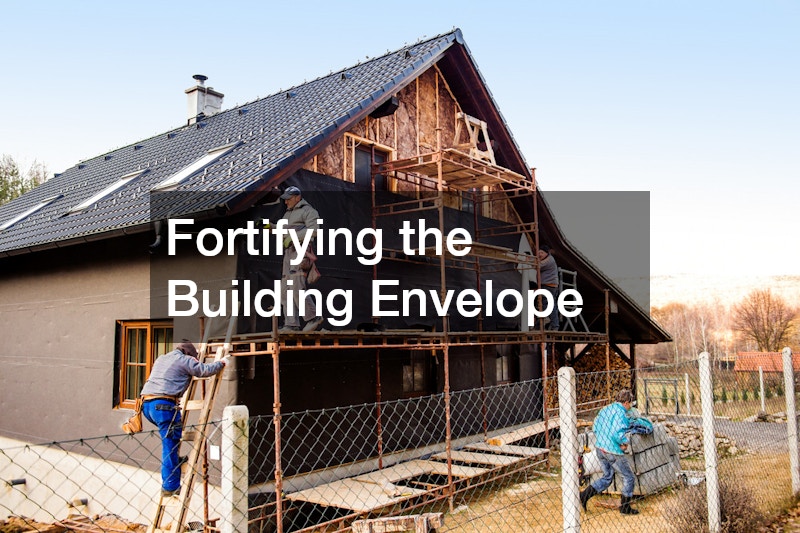
The first line of defense against any weather event is the building envelope. This includes everything that separates the interior living space from the outside world. When wind speeds pick up or rain begins to fall horizontally, the integrity of your roof and walls determines whether your home remains a dry sanctuary or becomes a construction site. Modern engineering has provided us with materials that are far superior to those used even a decade ago, but their effectiveness depends entirely on the precision of their application.
When evaluating the top of your structure, consider the impact of debris and high-velocity winds. Standard shingles may lift or tear, but modern impact-rated materials are designed to stay put. Engaging a qualified roofing contractor to perform a comprehensive audit of your attic ventilation and decking can reveal vulnerabilities that are invisible to the untrained eye. These professionals look for “nail pull-through” potential and ensure that the perimeter of the roof is locked down with heavy-duty starter strips.
Beyond the structural check, the actual labor of maintaining the barrier is a continuous process. Small gaps in flashing or a single loose tile can allow gallons of water to enter a home during a prolonged storm. Professional roofers possess the specific safety equipment and technical knowledge to navigate steep pitches while identifying microscopic cracks in sealant or mortar. Their expertise ensures that the transition points around chimneys and valleys are watertight, which is critical when the local weather station predicts a week of heavy precipitation.
Enhancing Structural Exterior Resilience
While the roof takes the brunt of the vertical pressure, the sides of your home must deal with thermal expansion and wind-driven moisture. The materials you choose for your home’s “skin” act as both an insulator and a shield. For those living in areas prone to wildfires or extreme heat, fiber-cement or treated metal sidings offer fire resistance and won’t warp like traditional plastic-based materials.
Upgrading these surfaces is a significant undertaking that pays dividends in both energy efficiency and peace of mind. By utilizing professional siding services, homeowners can incorporate an extra layer of rigid foam insulation behind the exterior panels. This creates a thermal break that prevents the outdoor temperature from leaching through the wall studs, keeping your interior cool during a heatwave and warm during a deep freeze.
The resilience of your property extends all the way to the edge of the street. Hardscaping plays a massive role in how your property handles water runoff and thermal mass. If a driveway is cracked or improperly graded, heavy rains can channel water directly toward your foundation, leading to basement flooding or structural settling. A specialized asphalt contractor can design a surface with the correct pitch and drainage basins to ensure that water is diverted safely away from the house. Furthermore, using modern asphalt mixes with higher polymer content helps the surface remain flexible, preventing the unsightly “heaving” caused by the freeze-thaw cycles of a harsh winter.
Optimizing Interior Climate and Airflow

When the mercury rises to dangerous levels, the mechanical systems of a home transition from a luxury to a life-saving necessity. Extreme heat puts an incredible amount of strain on cooling systems, often leading to failure at the exact moment they are needed most. A modern enthusiast should focus on “over-engineering” their climate control to ensure there is plenty of overhead for the hottest days of the year.
The key to a reliable interior environment is a proactive maintenance schedule. Relying on professional HVAC services for bi-annual tuning ensures that your refrigerant levels are optimal and your coils are free of debris. This prevents the system from “short-cycling” or freezing up when the outdoor temperature reaches triple digits. Technicians can also inspect your ductwork for leaks, ensuring that the cold air you are paying for actually reaches the bedrooms rather than escaping into the crawlspace.
If your current system is more than a decade old, it may be time to consider a complete hardware upgrade to a more resilient model. A new ac installation allows you to take advantage of variable-speed compressors that can modulate their output based on the precise needs of the home. Unlike older units that are either “on” or “off,” these modern systems can run at lower speeds for longer periods, which provides superior dehumidification and more consistent temperatures during a prolonged heatwave.
Safeguarding Critical Utilities and Plumbing
Water and power are the lifeblood of the modern home, and they are often the first things to fail during extreme weather events. Freezing temperatures can burst pipes, while heavy storms can cause backflow issues. Preparing these systems involves both physical protection and the integration of smart technology that can alert you to a problem before it becomes a disaster.
One of the most overlooked components in weather readiness is the hot water system. During a power outage or a severe cold snap, having a well-insulated and functional unit is vital for hygiene and comfort. Scheduling a regular water heater service will ensure that the sacrificial anode rod is intact and that the tank is free of sediment. This prevents the tank from corroding or losing its heating efficiency, which is especially important if you are relying on a backup generator to power your appliances during a storm.
The integration of these utilities into the home’s structure must be handled with extreme care to avoid creating new vulnerabilities. Every time a pipe or a vent exits the building, it creates a potential entry point for water or pests. When installing new high-efficiency vents or solar-powered attic fans, a residential roofing service should be called to handle the penetration. They will use specialized boots and high-grade sealants to ensure that the new utility line doesn’t become the source of a leak during the next hurricane-strength wind event.
Interior Material Selection for Disaster Mitigation

The philosophy of a resilient home doesn’t stop at the front door. The choices you make for your interior finishes can dictate how quickly you can recover if the weather does manage to breach the perimeter. Modern design now favors materials that are non-porous and “life-proof,” meaning they can withstand moisture, heat, and heavy use without showing wear.
In the kitchen and bathrooms—the areas most likely to see moisture issues—material choice is paramount. High-end countertop contractors now offer materials like sintered stone or ultra-compact surfaces that are practically indestructible. Unlike marble, which can etch or stain if exposed to standing water from a leak, these modern surfaces are non-porous and can even withstand the heat of a blowtorch, making them ideal for homes in high-risk environments.
For a truly comprehensive weather-ready strategy, many enthusiasts are looking at the layout of their entire home. This might involve moving laundry rooms to higher floors in flood-prone areas or creating “safe zones” with reinforced walls. Engaging with professional remodeling services allows you to rethink your floor plan with resilience in mind. They can help you replace standard drywall with water-resistant magnesium oxide boards or install “smart” flooring that can be easily dried out and sanitized in the event of minor flooding.
Strategic Planning and Long-Term Value
Building a weather-ready home is an ongoing journey rather than a one-time project. It requires a mindset of constant improvement and an eye for detail. As building codes evolve to meet the challenges of a changing climate, staying ahead of the curve not only protects your family but also significantly boosts the resale value of your property.
- Create a Disaster Log: Keep a detailed record of every service and upgrade performed. Note the specific materials used and the warranties provided by your contractors.
- Annual Perimeter Walk: Every spring and fall, walk the entirety of your property. Look for shifting soil, loose siding, or trees that have grown too close to your roofline.
- Invest in Redundancy: Consider dual-fuel heating systems or hybrid water heaters. Having a “Plan B” for your utilities can make a massive difference during a multi-day weather event.
- Monitor Local Trends: Pay attention to how your specific neighborhood handles weather. If your neighbors are all experiencing basement issues, it may be time to check your own drainage systems.
The most successful homeowners are those who build a relationship with a trusted network of professionals. By utilizing expert remodeling services for your large-scale projects, you ensure that every upgrade is permitted, up to code, and built to last. These professionals have seen the damage that extreme weather can do and can offer localized advice that you won’t find in a generic home improvement manual.
Maintaining the Shield
To keep your home in peak condition, use the following checklist as a guide for your seasonal preparations. This structured approach ensures that no critical system is overlooked during the busiest times of the year. By following these specific steps, you can transition from reactive repairs to proactive management, saving both time and money.
- Check the Roof: Look for curling shingles, missing granules, or cracked tiles. Ensure all gutters are clear so water doesn’t back up under the eaves.
- Inspect the Seal: Check the caulking around windows and doors. If it feels brittle or is pulling away, it’s time to scrape and re-apply a high-quality silicone sealant.
- Service the HVAC: Change filters monthly during peak seasons and have a professional deep-clean the evaporator coils once a year.
- Test the Sump Pump: If you have a basement, pour water into the sump pit to ensure the pump triggers and effectively moves water away from the house.
- Review Exterior Surfaces: Check your driveway for new cracks. Small cracks can be filled easily, but large ones may require a professional to prevent foundation damage.
By taking these steps, you transform your home from a passive structure into an active participant in your safety. A modern home enthusiast knows that luxury is nothing without reliability. When the clouds darken or the temperature begins to soar, you can sit back in your climate-controlled living room with the confidence that your home was built—and maintained—to handle whatever comes its way.
The Future of Resilient Living
As we look toward the future, the integration of technology and traditional craftsmanship will continue to define the “cutting-edge” home. We are seeing the rise of self-healing materials, smart sensors that can shut off water mains at the first sign of a leak, and roofing systems that can generate power while shedding snow with ease.
True home enthusiasts understand that their property is their most valuable asset. Protecting that asset requires a shift in perspective: from viewing maintenance as a chore to viewing it as a strategic investment. When you prioritize the structural integrity and mechanical efficiency of your home, you aren’t just preventing damage; you are enhancing your quality of life. The peace of mind that comes from knowing your roof is secure, your air is cool, and your foundation is dry is the ultimate modern luxury.
Weatherproofing is about respect—respect for the power of nature and respect for the sanctuary you have built. By following the strategies outlined in this guide and partnering with the right experts, you can ensure that your home remains a source of pride and protection for generations to come.