
A thorough exploration of the most impactful home maintenance upgrades reveals how they can significantly enhance the aesthetic appeal and overall functionality of your residence while lowering the risk of unexpected repairs. By strategically investing in these key areas, homeowners can cultivate a more secure and comfortable living environment that supports daily living while reducing long-term stress. Home maintenance is essential for effective property management, and adopting a proactive approach can lead to considerable savings in time, money, and effort over the long term.
1. How Can Smart Thermostats Reduce Heating/Cooling System Repairs?
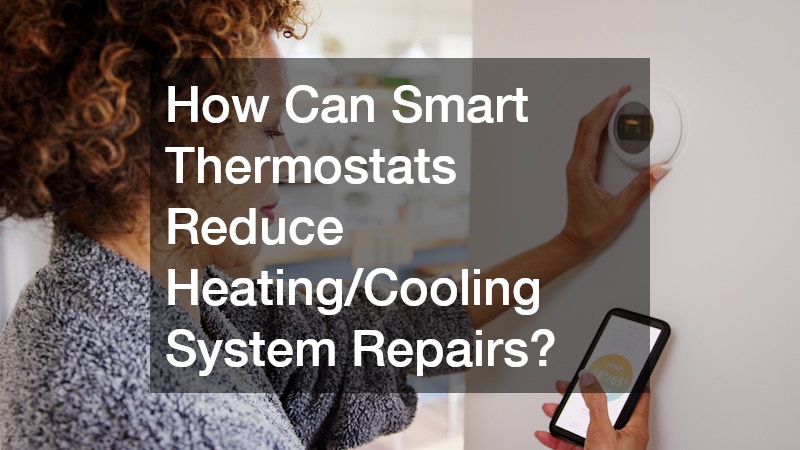
Smart thermostats are revolutionizing the way homeowners manage their heating and cooling systems by introducing automation and precision into daily temperature control. These devices offer precise temperature regulation, learning household patterns and adjusting settings accordingly to prevent unnecessary system strain. This optimized operation reduces wear and tear on essential components, helping prevent frequent HVAC contractor visits and unplanned furnace repair while extending the overall lifespan of the system.
When installed correctly and configured to match household routines, smart thermostats significantly improve energy efficiency. They can automatically lower heating or cooling output during periods of inactivity and resume comfortable settings before occupants return. This balanced approach ensures the system is not running excessively, which translates into lower utility bills and a reduced likelihood of overworking components that might otherwise require professional attention.
The predictive maintenance features in smart thermostats are especially valuable for proactive homeowners. Many systems monitor performance trends and alert users to irregularities such as temperature inconsistencies or excessive run times. These early warnings allow homeowners to schedule preventive service rather than facing emergency breakdowns, ensuring optimal comfort and system reliability at home throughout the year.
2. What Role Does Upgrading Your Roof Play in Home Maintenance?
The roof is a critical component of your home that serves as the first line of defense against weather and environmental exposure, shielding the interior from moisture, temperature extremes, and debris. Upgrading to durable, modern roofing materials such as architectural shingles, metal roofing, or advanced composite systems can significantly extend the life of your roof while improving overall performance. These materials are designed to resist cracking, warping, and UV damage, which reduces the likelihood of leaks, rot, and gradual weather-related deterioration. With fewer repair needs over time, homeowners can better protect their property from costly interior damage, insulation problems, and structural complications that often result from prolonged roof neglect.
Regular roof inspections and ongoing maintenance are essential for identifying minor issues before they escalate into major and expensive concerns. Professional inspections conducted by qualified experts can uncover hidden vulnerabilities such as deteriorating flashing around vents and chimneys, loose shingles, or clogged gutters that may cause water to back up onto the roof surface. Addressing these problems early, including keeping gutters clear with effective sewer drain cleaners and routine debris removal, helps maintain proper water flow and prevents moisture intrusion into the attic or walls. Consistent maintenance also extends the lifespan of roofing materials and reduces the risk of sudden failures during severe weather.
Incorporating weather-resilient roofing upgrades strengthens the home’s ability to withstand extreme conditions such as heavy rainfall, snow accumulation, hail, or high winds. Features like reinforced underlayment, improved ventilation, and impact-resistant materials add an extra layer of protection and stability. These improvements not only reduce the likelihood of emergency repairs but also enhance curb appeal and overall property value by giving the home a well-maintained, updated appearance. A solid, well-cared-for roof signals responsible ownership, increases buyer confidence, and provides long-term peace of mind for homeowners.
3. Why Is Upgrading Plumbing Fixtures Considered Important?
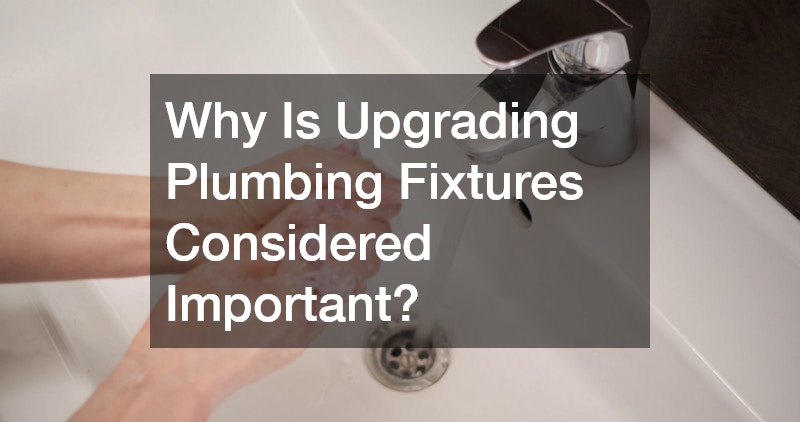
Modern plumbing fixtures play a crucial role in reducing common household issues such as a leaky faucet, which can quietly waste water and lead to hidden damage over time. Even small leaks can result in increased utility costs and gradual deterioration of surrounding materials. By upgrading sinks, faucets, and other fixtures, homeowners improve efficiency while reducing reliance on frequent plumbing service calls.
Beyond visual improvements, modern plumbing fixtures are engineered for durability and performance. Many incorporate advanced internal components designed to resist corrosion and wear, minimizing maintenance needs. When paired with routine inspections, including sewer line camera inspections, homeowners gain better visibility into the health of their plumbing system and can address developing issues before they become disruptive.
Preventing water damage remains one of the most important aspects of home maintenance. Upgraded plumbing systems are better equipped to handle consistent water pressure and include improved sealing mechanisms that reduce the risk of leaks. This proactive approach lowers the chances of costly repairs, protects structural elements, and reduces the inconvenience associated with unexpected plumbing failures that often require a plumbing service.
4. How Do Energy-Efficient Windows Help in Reducing Home Repairs?
Energy-efficient windows play a significant role in reducing ongoing repair needs by improving insulation and limiting temperature fluctuations inside the home. By maintaining more consistent indoor temperatures, these windows reduce strain on heating and cooling systems. This efficiency helps minimize mechanical stress that can otherwise shorten equipment lifespan.
A stable indoor environment also minimizes moisture buildup, which can contribute to mold growth, mildew, and condensation damage around window frames and nearby walls. Energy-efficient windows are designed with improved seals and multi-pane glass that help regulate humidity levels by reducing temperature differences between indoor and outdoor air. This added control limits excess condensation during seasonal changes, improves overall comfort, and helps protect surrounding materials such as drywall, trim, and insulation. By maintaining balanced moisture levels, homeowners can reduce the likelihood of needing specialized indoor air quality service while creating a healthier, more resilient living space that supports long-term comfort and structural integrity.
Although installing energy-efficient windows requires an initial investment, the long-term cost benefits are substantial and often outweigh the upfront expense. Lower monthly energy bills result from improved insulation and reduced heat transfer, while decreased system usage helps extend equipment lifespan and minimize repair needs. Over time, fewer drafts, less condensation, and reduced operational strain contribute to ongoing maintenance savings. Beyond performance benefits, upgraded windows significantly enhance the home’s visual appeal by providing a cleaner, more modern look and improved natural light.
5. What Are the Benefits of Upgrading to LED Lighting?

Switching to LED lighting is a straightforward yet impactful maintenance upgrade that delivers both immediate and long-term benefits. LEDs consume significantly less energy than traditional bulbs, lowering electricity costs and reducing the frequency of replacements. Their lower heat output also contributes to more stable indoor temperatures, supporting efficient cooling performance.
LED lighting is widely recognized for its longevity, often lasting many times longer than incandescent or fluorescent alternatives. This extended lifespan reduces maintenance demands and material waste while minimizing the need for service calls related to excess heat generation from outdated lighting systems. Over time, these savings add up in both cost and convenience.
From an environmental perspective, LEDs are a responsible choice for homeowners seeking sustainable solutions. Their efficient operation and reduced resource consumption support eco-conscious living while complementing other energy-saving upgrades. This balance of performance and sustainability helps create a more resilient home that requires fewer unexpected repairs.
6. How Important Is Gutter Maintenance and What Tools Aid It?
Proper gutter maintenance is essential for preventing water-related damage throughout the home. When gutters become clogged, water can overflow and infiltrate roofing materials, siding, or foundations, leading to costly repairs. Ensuring that gutters remain clear allows rainwater to be directed safely away from the structure and into the sewer.
A range of tools and solutions can simplify gutter maintenance, including leaf guards and professional drain cleaning services designed to break down debris and buildup. Professional cleaning services can also help homeowners maintain gutters safely and effectively, particularly for multi-story homes. Consistent maintenance reduces the risk of sudden water damage during heavy storms.
Clean, functional gutters contribute to better indoor conditions by preventing moisture intrusion and mold growth. By protecting walls and foundations from excess water exposure, homeowners can reduce the need for corrective repairs while preserving property value. Gutter maintenance is a small effort that delivers significant long-term benefits.
7. Why Should Homeowners Consider Basement Waterproofing?

Basement waterproofing is a vital upgrade for protecting the structural integrity of a home. Water intrusion in basement areas can lead to mold growth, weakened foundations, and reduced property value. Addressing moisture issues early helps homeowners avoid extensive repairs and maintain a healthier indoor environment.
Effective basement waterproofing solutions may include interior sealants, exterior barriers, sump pumps, and improved drainage systems. Working with a local plumbing contractor ensures that the chosen methods are appropriate for the home’s layout and regional conditions. Tailored solutions provide the most reliable protection against water infiltration.
A dry, well-protected basement offers more than just structural benefits. It expands usable living or storage space while improving overall comfort and safety. This upgrade supports long-term home value and provides peace of mind, making basement waterproofing a smart and practical investment.
8. What Are the Advantages of Regular HVAC System Upgrades?
Regular HVAC upgrades and maintenance are key to maintaining consistent comfort and preventing system failures. Scheduled inspections and technology updates help identify worn components before they fail, reducing emergency service calls and minimizing unexpected disruptions. Working with a local HVAC company also ensures systems are evaluated by professionals familiar with regional climate demands and seasonal performance requirements.
Beyond basic maintenance, modern HVAC upgrades incorporate advanced features such as variable-speed motors and smart controls. These enhancements improve performance consistency while reducing energy consumption. Over time, this results in fewer breakdowns and more predictable operating costs.
Calling an HVAC contractor to upgrade your systems also supports improved air circulation and filtration through modern ventilation improvements. Cleaner air reduces allergens and pollutants, contributing to a healthier living environment and reinforcing the value of staying current with HVAC technology and maintenance practices.
9. Why Is Investing in Professional Plumbing Service Efficient for Maintenance?
Investing in regular plumbing service is a smart and efficient approach to long-term home maintenance. Proactive plumbing care helps identify small issues—such as worn seals, minor corrosion, or pressure irregularities—before they escalate into major problems that can damage walls, floors, or foundations. By addressing these concerns early, homeowners can avoid disruptive repairs, unexpected water damage, and the higher costs that often come with emergency plumbing situations.
Professional plumbing maintenance also supports the overall efficiency and reliability of a home’s water systems. Routine inspections and servicing ensure pipes, fixtures, and connections are functioning as intended, reducing strain caused by hidden leaks or partial blockages. This attention to system performance not only extends the lifespan of plumbing components but also helps maintain consistent water pressure and usage efficiency throughout the home.
Over time, regular plumbing care contributes to fewer breakdowns, lower repair expenses, and improved household comfort. Well-maintained plumbing systems reduce the risk of mold growth, structural deterioration, and water waste, all of which can impact property value. As part of a comprehensive maintenance strategy, prioritizing plumbing upkeep provides peace of mind and supports a safer, more resilient living environment.
10. Why Are Sewer Line Inspections Important for Preventive Maintenance?
Sewer line inspections play a critical role in modern home maintenance by identifying hidden problems that can develop below the surface and go unnoticed for long periods of time. Issues such as root intrusion, pipe corrosion, blockages, or shifting soil can all compromise sewer lines and lead to costly backups or property damage. Using advanced methods like sewer line camera inspections allows professionals to assess pipe conditions accurately without invasive digging, helping homeowners understand potential risks early.
Early detection through routine inspections enables homeowners to address developing sewer issues before they escalate into major repairs. Identifying partial blockages, cracks, or buildup in advance helps prevent unexpected wastewater backups, foul odors, and structural damage to foundations or landscaping.
Regular sewer line evaluations also contribute to better overall property management by supporting informed maintenance planning. When combined with other preventive measures, inspections help homeowners prioritize repairs, extend the lifespan of underground piping, and avoid emergency situations.
Implementing these top home maintenance upgrades can significantly diminish the need for unexpected repairs, fostering a more efficient, durable, and comfortable living environment. Each improvement supports long-term performance while reducing stress and ongoing maintenance costs. These measures not only enhance daily comfort but also contribute to increased property value and sustainability.