Roof damage can happen when you least expect it, especially during severe weather events or sudden structural failures. Heavy storms, fallen tree branches, and strong winds can cause immediate damage that leaves your home exposed to the elements. When this happens, knowing what steps to take can help you protect your property and prevent the situation from getting worse.
Emergency roofing situations require quick action, but it is important to stay calm and make informed decisions. Acting quickly can minimize interior damage and help ensure the problem is addressed safely and effectively.
Understanding what to do in these situations will help you respond properly until a local roof repair service can assess and repair the damage.
Assess the Situation Safely
The first step during a roofing emergency is to assess the situation while keeping safety as the top priority. If severe weather has caused damage, it is important to avoid climbing onto the roof yourself, as conditions may be dangerous. Loose shingles, structural instability, and wet surfaces can make roofs extremely hazardous.
Instead, inspect the damage from a safe distance if possible. Look for obvious signs such as missing shingles, large debris on the roof, or visible holes in the roofing materials. You may also notice water leaking inside the home or sections of the roof sagging. Identifying the problem from the ground helps you understand the severity of the situation while avoiding unnecessary risks.
Protect Your Home’s Interior
If water is entering your home, protecting the interior should be your next priority. Move furniture, electronics, and other valuables away from the affected area to prevent water damage. Placing buckets or containers under leaks can help collect dripping water and limit damage to floors and furnishings.
You may also want to use towels or tarps to absorb moisture temporarily. While these measures will not solve the roofing problem, they can reduce the impact of water damage until professionals arrive. Acting quickly can help prevent additional repair costs and protect important belongings.
Document the Damage
Before any temporary repairs or professional work begins, it is helpful to document the damage for insurance purposes. Taking clear photos or videos of affected areas both inside and outside the home can provide important evidence when filing a claim. Make sure to capture visible damage such as missing shingles, fallen debris, or water stains.
Keeping records of when the damage occurred and what caused it can also be useful. Insurance providers often require documentation before approving coverage for emergency repairs. Having this information ready can help speed up the claims process and ensure you receive the support you need.
Contact a Professional Roofing Company
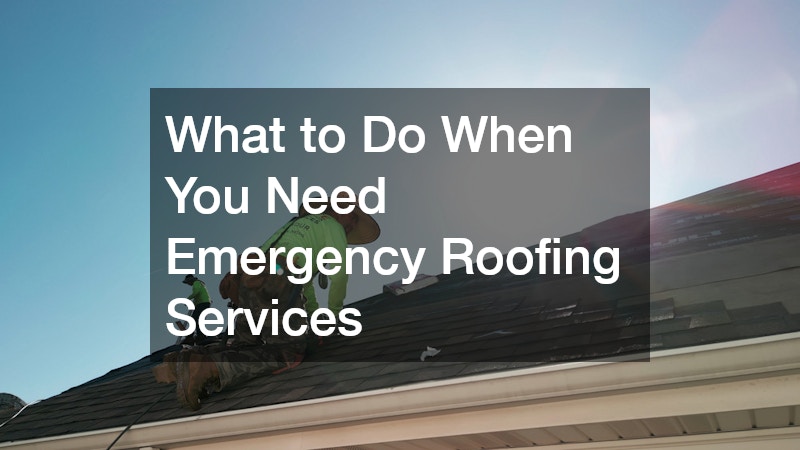
After ensuring your safety and documenting the damage, the next step is contacting a professional roofing company. Emergency situations require experienced professionals who can quickly assess the problem and recommend the best solution. A local roof repair service can respond faster and is often familiar with the weather conditions common in your area.
Roofing professionals will inspect the damage, determine the cause, and provide immediate recommendations for protecting your home. They may install temporary coverings or tarps to prevent additional water from entering until permanent repairs can be completed. Acting quickly helps minimize further damage and protects the structural integrity of your home.
Avoid Attempting Major Repairs Yourself
It can be tempting for homeowners to try fixing roofing damage themselves during an emergency, but this approach can often make the situation worse. Roofing systems are complex, and improper repairs may create additional problems or void warranties on roofing materials.
Climbing onto a damaged roof also presents serious safety risks, especially during or after severe weather. Professional roofers have the equipment, training, and experience needed to handle emergency repairs safely. Allowing experts to manage the situation ensures the repairs are done correctly and reduces the risk of injury.
Understand Temporary vs. Permanent Repairs
During emergency roofing situations, contractors may first perform temporary repairs to stabilize the roof. This may include placing tarps over exposed areas, sealing leaks, or removing dangerous debris from the roof surface. These temporary solutions help protect your home until permanent repairs can be scheduled.
Permanent repairs may involve replacing damaged shingles, repairing flashing, or addressing structural issues caused by storms or debris. In some cases, significant damage may require larger restoration work. A local roof repair service can guide homeowners through each stage of the process and ensure the roof is fully restored.
Work With Your Insurance Provider
Many roofing emergencies are caused by storms or unexpected accidents that may be covered by homeowner’s insurance. After contacting a roofing professional, it is important to notify your insurance provider about the damage. They may send an adjuster to inspect the roof and evaluate the extent of the damage.
Your roofing contractor can often provide documentation or estimates that help support your insurance claim. Working closely with both the contractor and your insurance provider helps ensure repairs are completed efficiently. Proper coordination can also reduce out-of-pocket costs associated with emergency repairs.
Schedule Preventative Inspections
Once emergency repairs are completed, homeowners should consider scheduling routine roof inspections to prevent future problems. Many roofing emergencies occur because small issues went unnoticed until severe weather exposed them. Regular inspections can identify weak areas before they become major failures.
Maintenance tasks such as cleaning gutters, removing debris, and replacing worn shingles can significantly extend the life of your roof. By staying proactive, homeowners can reduce the likelihood of needing emergency services in the future.
Emergency roofing situations can be stressful, but knowing how to respond can help protect your home and minimize damage. Prioritizing safety, documenting the problem, and contacting professionals are the most important steps homeowners should take. Working with an experienced local roof repair service ensures that damage is assessed quickly and repairs are completed properly. With the right response and preventative maintenance, homeowners can keep their roofs strong and prepared to handle unexpected challenges.